Fuelling The Long Ride: The Physiology Behind Fading And How To Prevent It
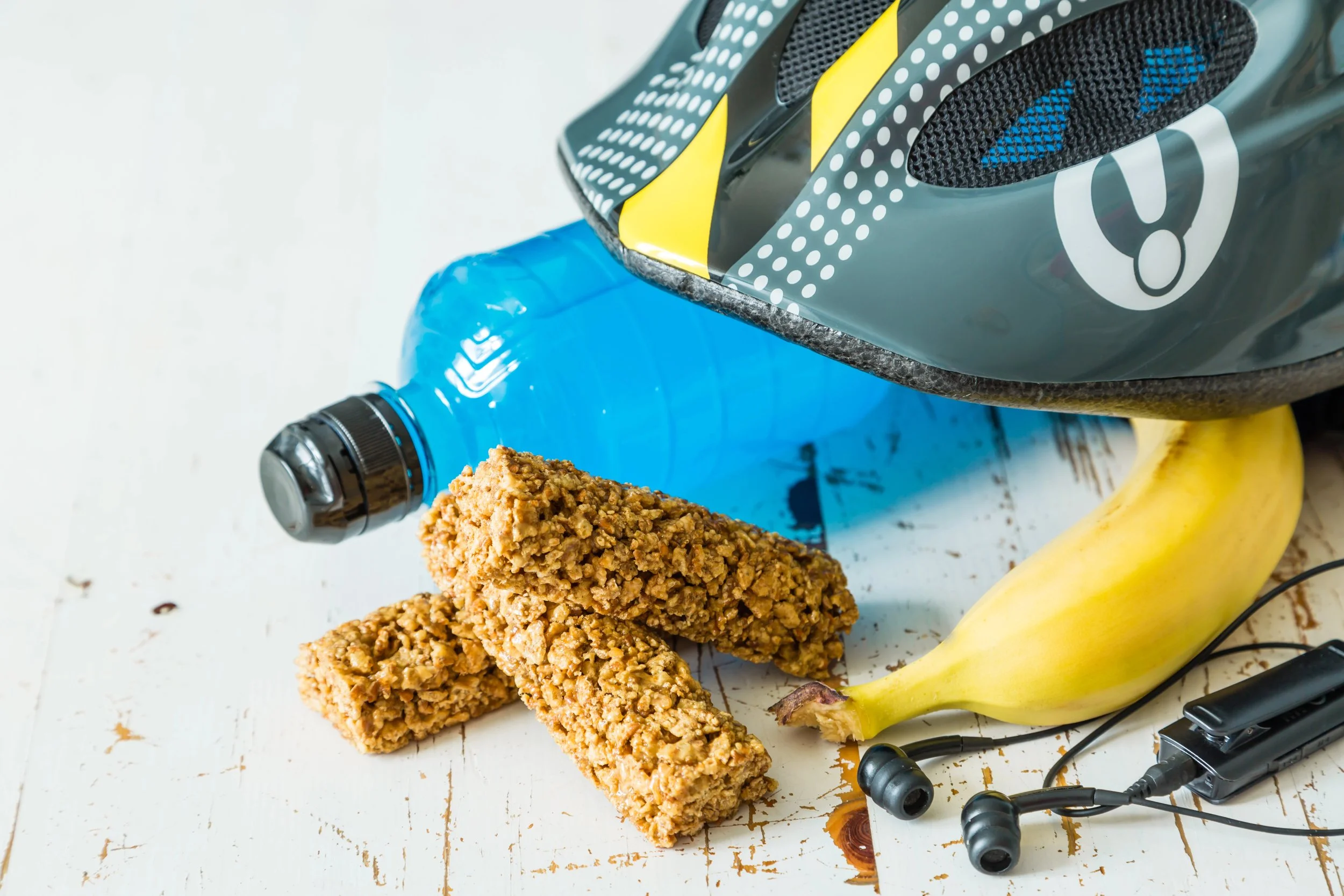
You know the feeling of a ride that starts strong and slowly unravels.
The first two hours feel great. Then the legs get heavy, the pace drifts down, and the last stretch home becomes a grind. It's a common experience on longer rides — the 70, 80, 90km efforts so many riders are chasing and it's totally preventable.
It's often far less about fitness than most riders assume.
Why Riders Fade On Longer Efforts
During a long ride, your body draws on stored carbohydrate to fuel the effort. Research shows that 90 to 120 minutes of solid riding can deplete glycogen stores by 40–60% [1].
As those stores run down, the body leans more heavily on blood glucose to keep going. When blood glucose starts to fall, the brain detects the drop and quietly reduces how hard it lets you push [2]. You register this as weak legs, or no more in the tank. But it's more about fading energy supply that can't keep up with the demand you're asking for, than truly having weak legs.
The rider who fades at 70km usually didn't run out of fitness (if they are able to ride 70km that is). They ran out of fuel — and often much earlier in the ride than they realised.
How To Fuel A Long Ride So You Finish Strong
Fading late is largely preventable. Four principles do most of the work.
Fuel before you're empty, not after. Start eating within the first 45 minutes of the ride and keep it going throughout. By the time you feel hunger or heaviness, its too late and you are already playing catchup, making it very hard to claw that back mid-ride.
Aim for a steady drip of carbohydrate. For rides beyond about 90 minutes, most need some dry-feeding of carbohydrate ongoing. Spread it across each hour in small, regular amounts rather than one large hit. Steady intake beats large infrequent intakes.
Drink to a schedule, not to thirst. Thirst lags behind actual fluid loss, especially in the cold when you don't notice sweating as much. Sip regularly rather than waiting until you're parched.
Start with a full tank. A carbohydrate-rich meal a few hours before you leave tops up glycogen so you start full. Fuelling on the bike is about topping up a full tank — it can't fill an empty one that started the ride already partially depleted.
The precise numbers, foods, and timing are where fuelling becomes personal — something worth devoting time to and refining. It's specific to your body, your rides, and your intensity. But these four principles alone will keep most riders clear of the fade on their longer efforts.
Why This Isn't About Willpower
Fading late in a long ride is a fuelling issue, not a character issue.
Once your fuel tank is empty, it's impossible to just grit your teeth and brute force it — willpower doesn't refill glycogen. But an alternative strategy gives you a much better outcome. Get ahead of your fuelling with a deliberate plan, and the strong finish you want on those longer rides becomes much more likely.
Finishing a 90km ride with something still in the tank gives you hope and belief that you can and are capable of more than those grinding final kilometres used to be like. It changes how you see yourself as a cyclist — and that shift in confidence carries forward into every ride after it.
Fading on longer rides is almost always a fuelling issue rather than a fitness issue, and the four principles that prevent it — fuel early, fuel steadily, drink to a schedule, and start with a full tank — are available to every rider willing to plan ahead. Start applying these on your next long ride and pay attention to how differently the final third feels compared to riding without a fuelling strategy. With time and refinement, finishing 80 or 90km rides feeling strong and capable becomes the norm rather than the exception, and that changes how you see yourself and what you believe you're capable of as a cyclist.
Frequently Asked Questions
Why does the fade tend to come late in a ride rather than early?
Early on, glycogen stores are full and the body has plenty of fuel to draw on. The fade arrives as those stores deplete and blood glucose begins to fall — which is why fuelling early in the ride, well before you feel any drop in energy, matters so much.
Is fading on long rides a fitness problem?
Often it isn't. Fitness helps you use fuel more efficiently, but even fit riders fade when they're under-fuelled. It's usually a fuelling issue first and a fitness issue second.
When should I start fuelling on a long ride?
Earlier than most riders do — within the first 45 minutes is a good guideline. Waiting until you feel hungry or tired generally means starting too late to stay ahead of the deficit.
Does fuelling change as I get older?
It can. Shifts in metabolism and recovery mean a deliberate, consistent fuelling approach tends to serve the masters cyclist better than a casual or reactive one.
References
1. Fuchs, C. J., Gonzalez, J. T., & van Loon, L. J. C. (2025). Carbohydrate intake and glycogen replenishment during recovery in well-trained cyclists. The Journal of Physiology. https://doi.org/10.1113/JP289115
2. Noakes, T. D., et al. (2026), as reviewed in Velo/Outside. New research on blood glucose, the brain, and endurance fatigue. https://velo.outsideonline.com/road/road-training/new-study-suggests-bonking-is-mostly-all-in-your-head/
3. Coyle, E. F., Coggan, A. R., Hemmert, M. K., & Ivy, J. L. (1986). Muscle glycogen utilization during prolonged strenuous exercise when fed carbohydrate. Journal of Applied Physiology, 61(1), 165–172. https://doi.org/10.1152/jappl.1986.61.1.165