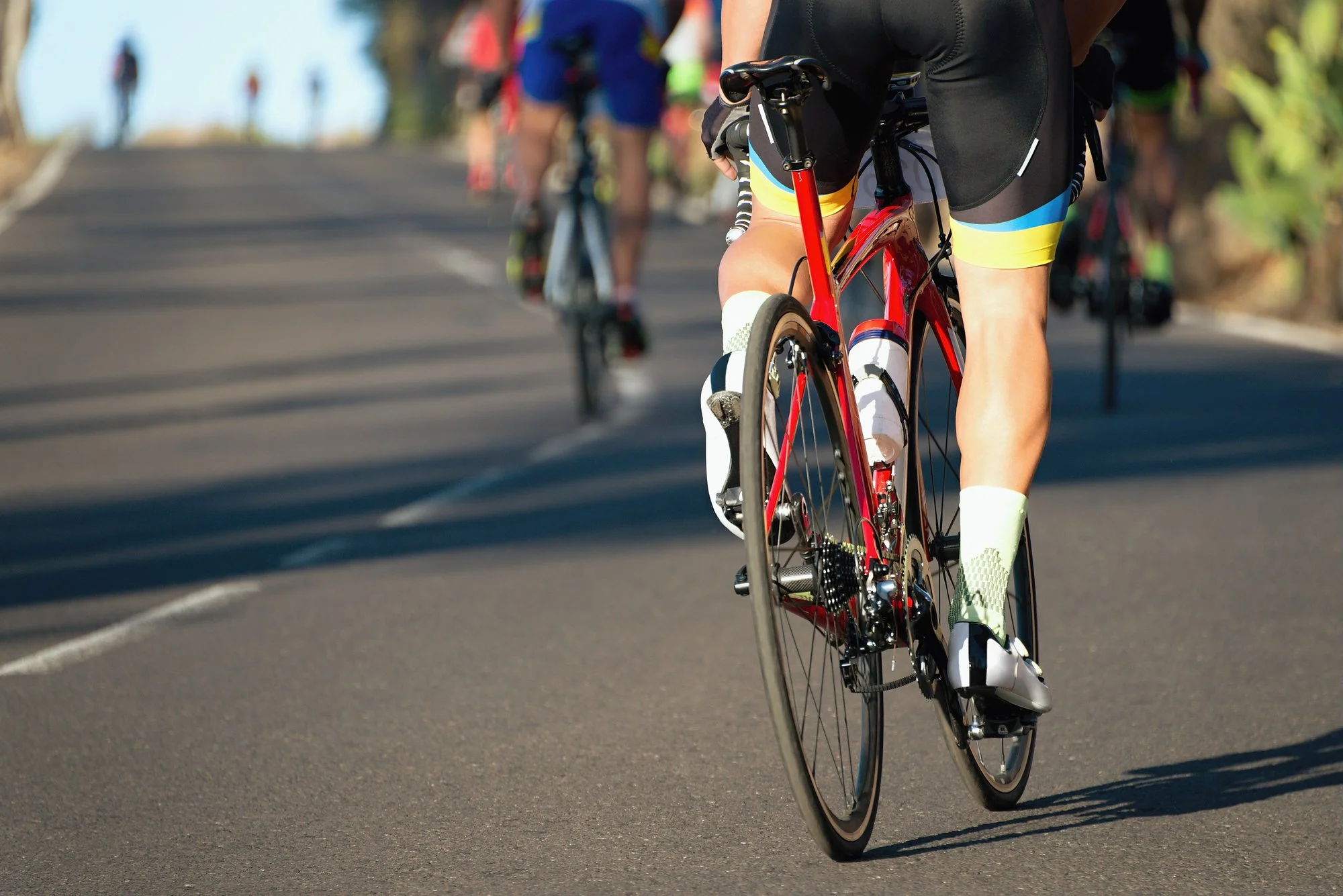
Your Surge Reserve: Is This The Missing Piece For Your Bunch Rides?
Getting dropped on surges late in bunch rides? Your endurance isn’t the problem. Physio and masters cyclist explains your surge reserve (anaerobic capacity), why it can fade around 8% per decade while aerobic power holds, and how masters cyclists can rebuild it at any age without adding training hours.
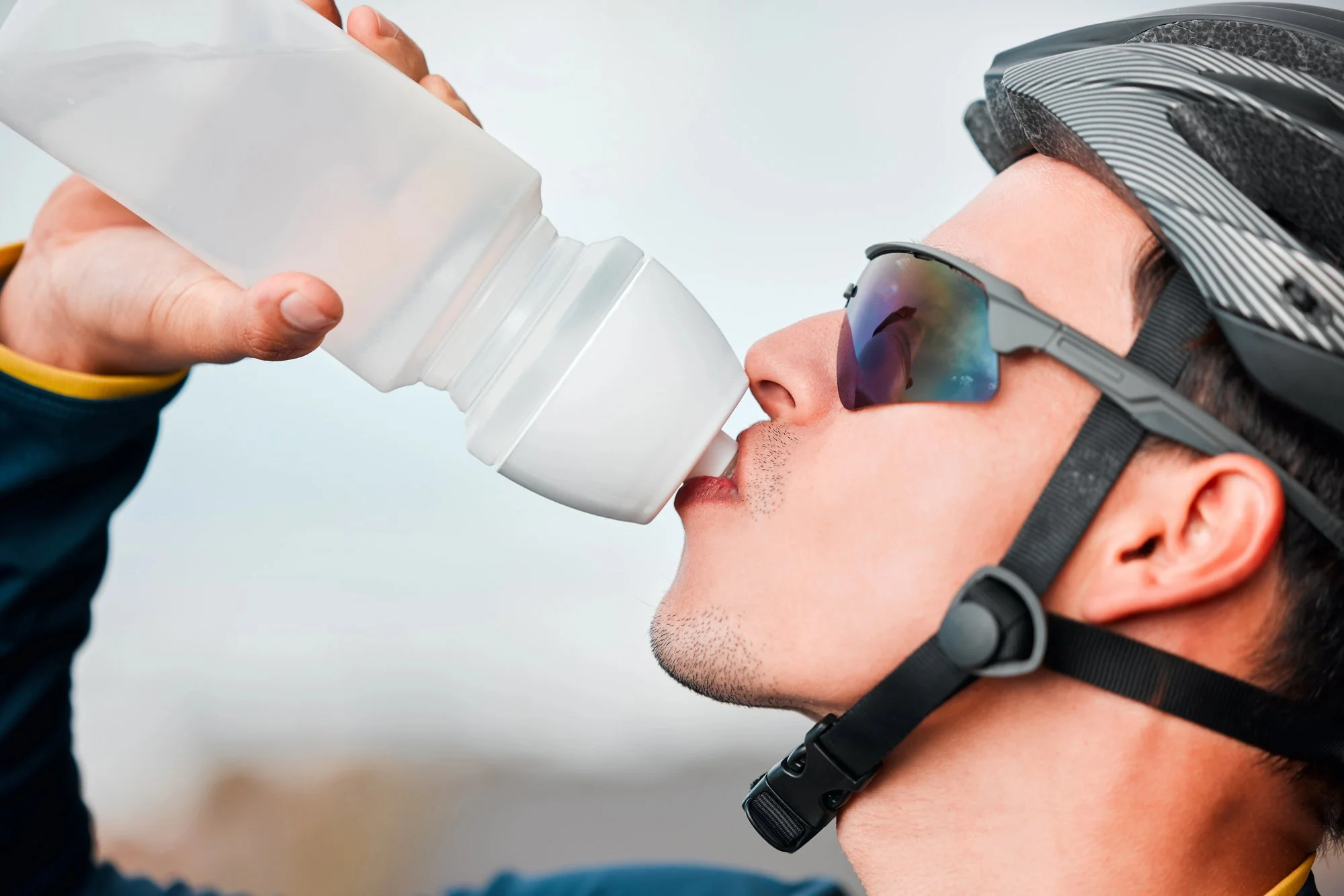
Water Alone Is Not Enough On A Long, Hot Ride
Drinking bottle after bottle on hot rides but still fading in the final hour? Water alone can’t replace what you’re losing. Sweat drains salt as well as fluid — and without sodium, most of what you drink passes straight through. Discover why thirst becomes unreliable after 40, how to balance water and electrolytes mid-ride, and finish long summer rides stronger, not flatter.
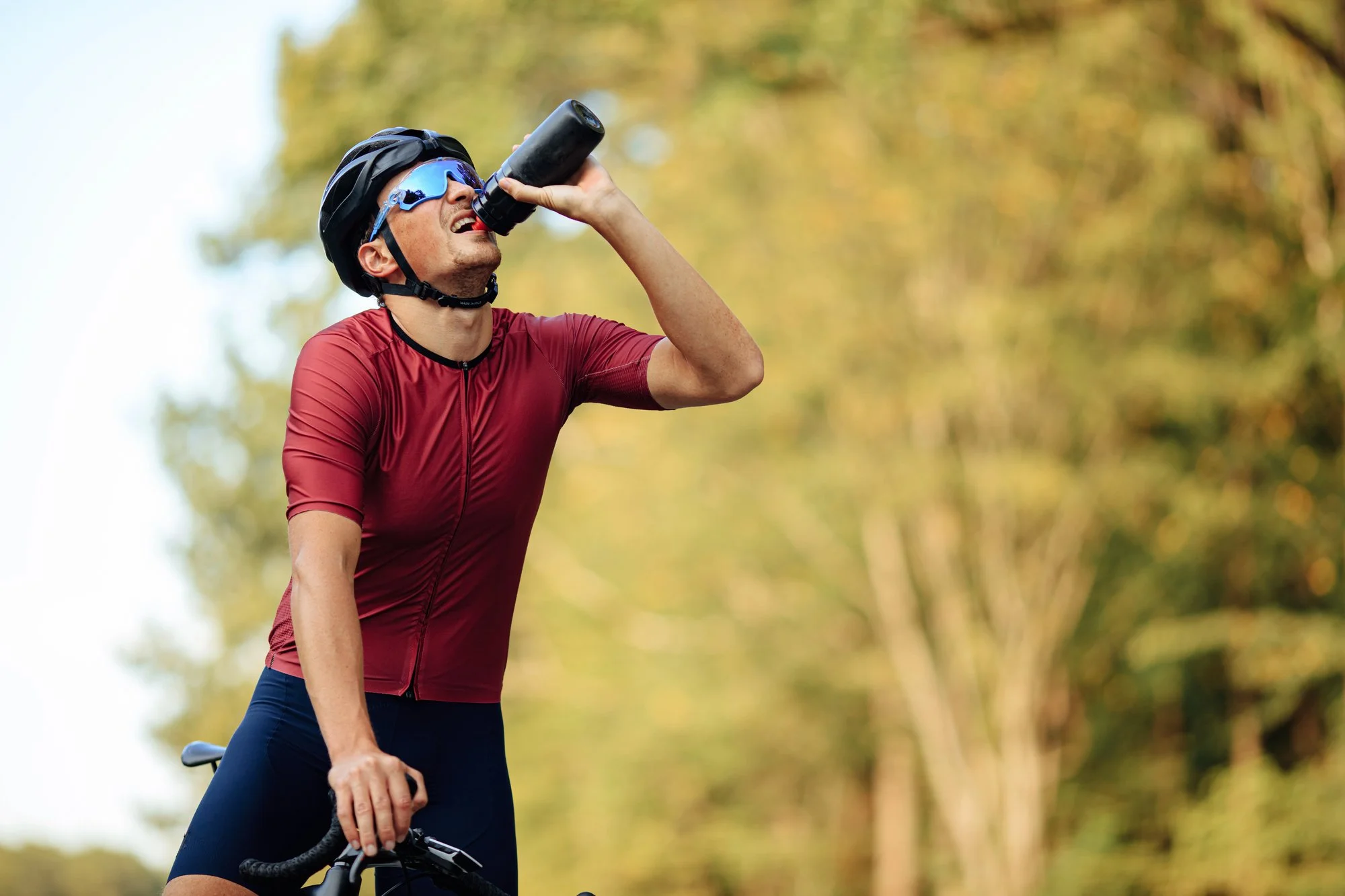
Hydration In The Heat: Why Thirst Alone Won't Cut It
Getting dropped in the last third of hot rides? It's not fitness fading — it's three things stacking against you after 40: thirst signals arriving late, a smaller muscle-water reservoir, and just 1-2% fluid loss crushing endurance. Discover why riding to thirst is unreliable in the heat, and the plan-based hydration approach that keeps power, speed, and strength intact all the way home.
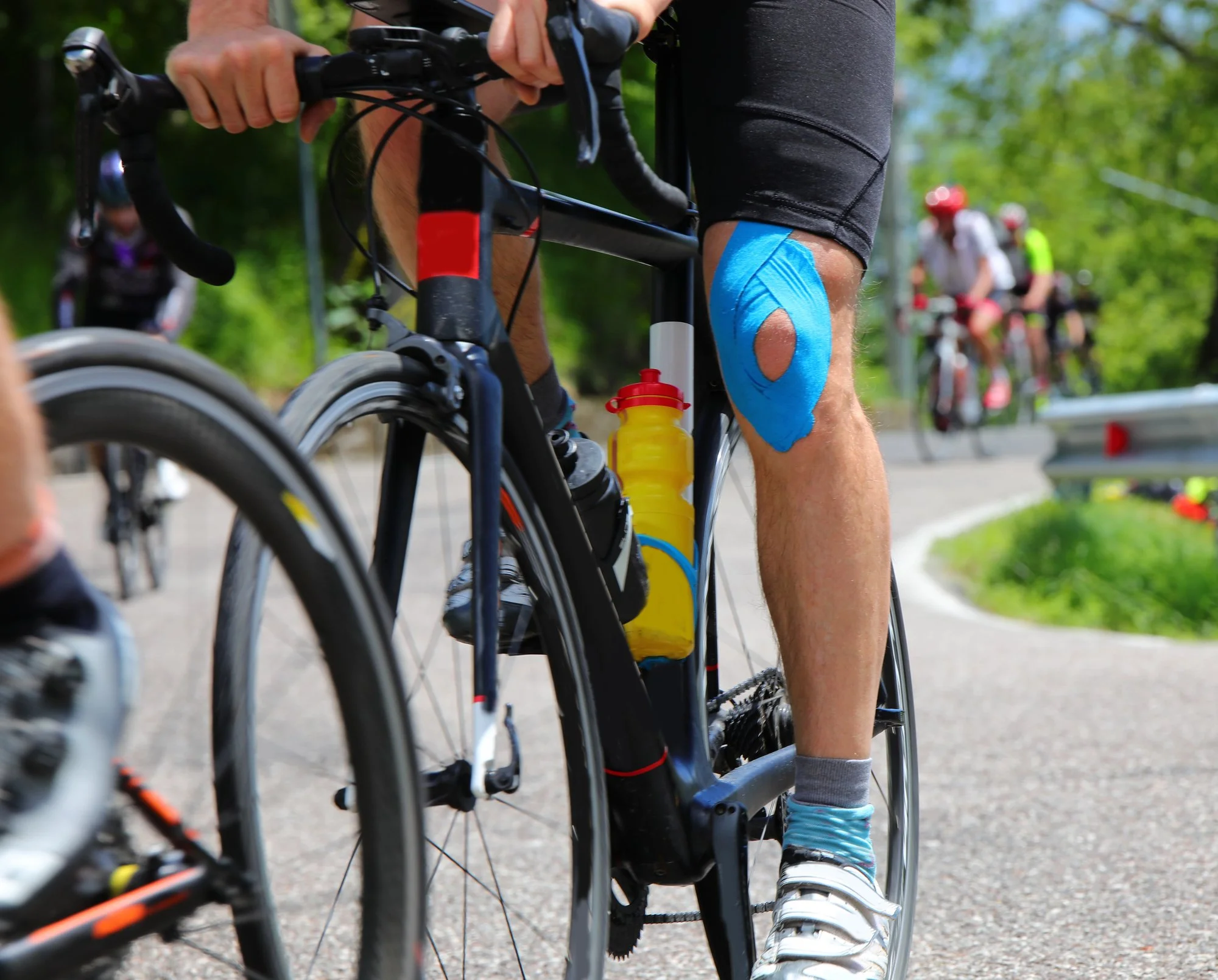
When Should You Ride Through A Niggle, And When Should You Back Off?
That knee twinge, back tightness, or Achilles ache — ride through or rest? Both instincts feel right, and that's the problem. Discover why complete rest often keeps you stuck, which niggles are safe feedback versus warning signs (sharp, swelling, worsening, nerve-related), and why tendons need controlled loading after 40 — not cotton wool. Read your body accurately, ride confidently for decades.
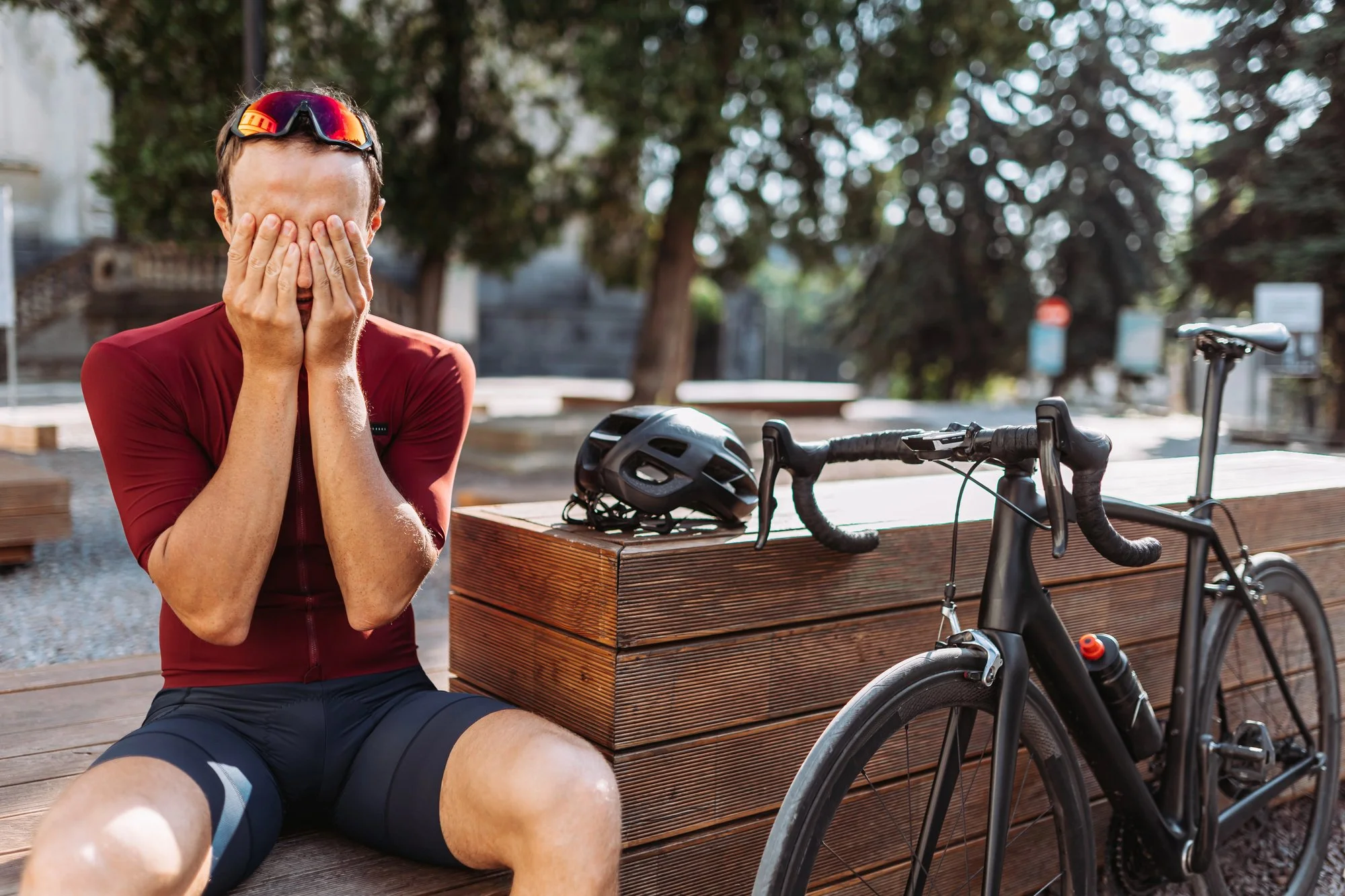
Why Do So Many Cyclists Get Sick Right After Their Biggest Training Week?
Nailed every session, hit new numbers, then woke up with a stuffy head three days later? It's rarely an actual bug — it's total load tipping over. Discover why the "open window" theory is outdated, what really pushes you into cold-like symptoms after a hard block, and why cyclists over 40 need to manage the days around their hardest weeks as seriously as the training itself.
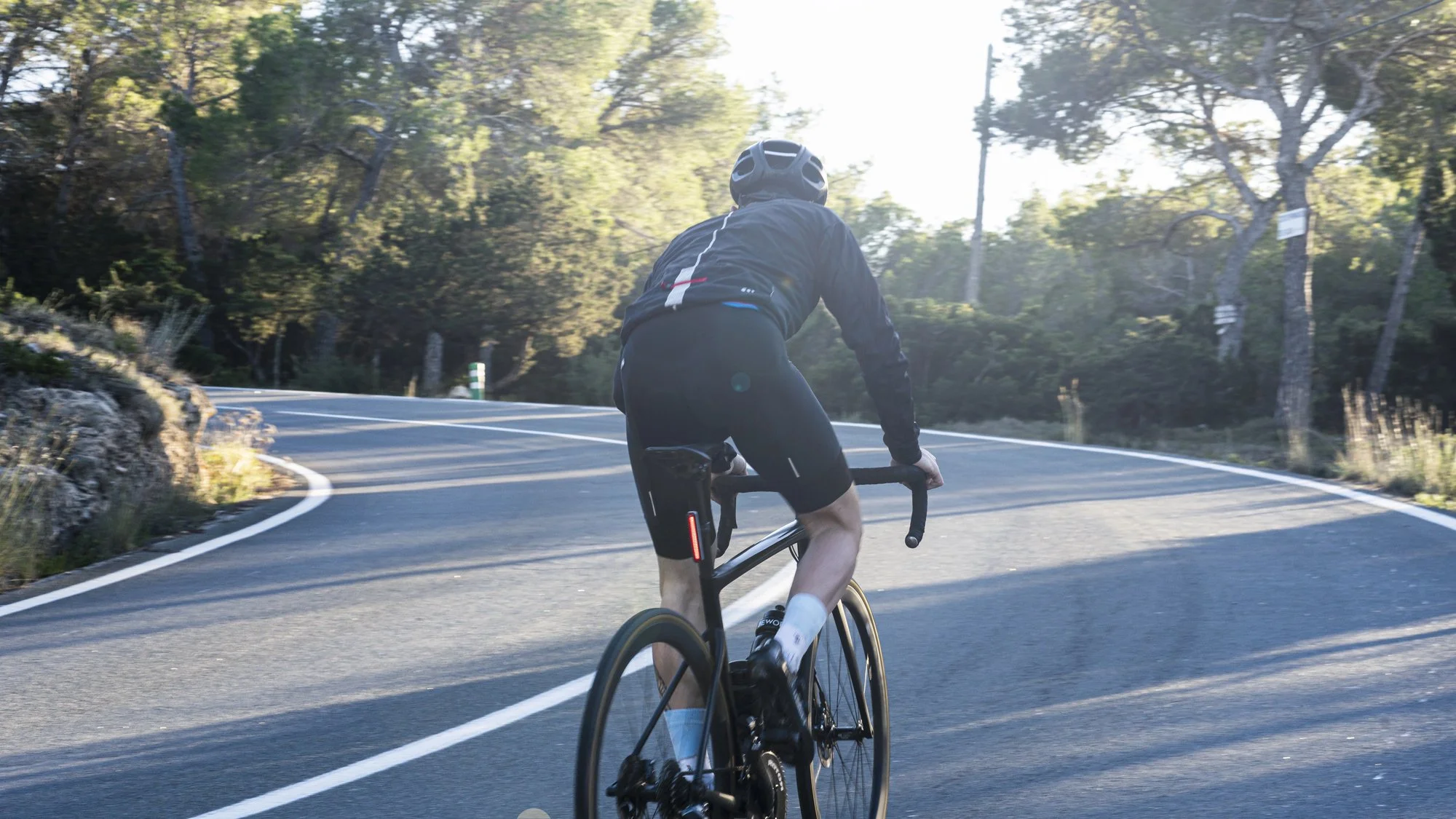
Two Things Cycling Won't Do For You After Age 40
Riding strong for years but assuming the rest of your body is fine? Cycling barely loads your skeleton and does little to preserve fast-twitch muscle — the fibres you need for climbs, surges, and sprints. Male cyclists are seven times more likely to have osteopenia than runners. Discover why loaded strength work isn't optional after 40 — for cycling performance and lifelong health.
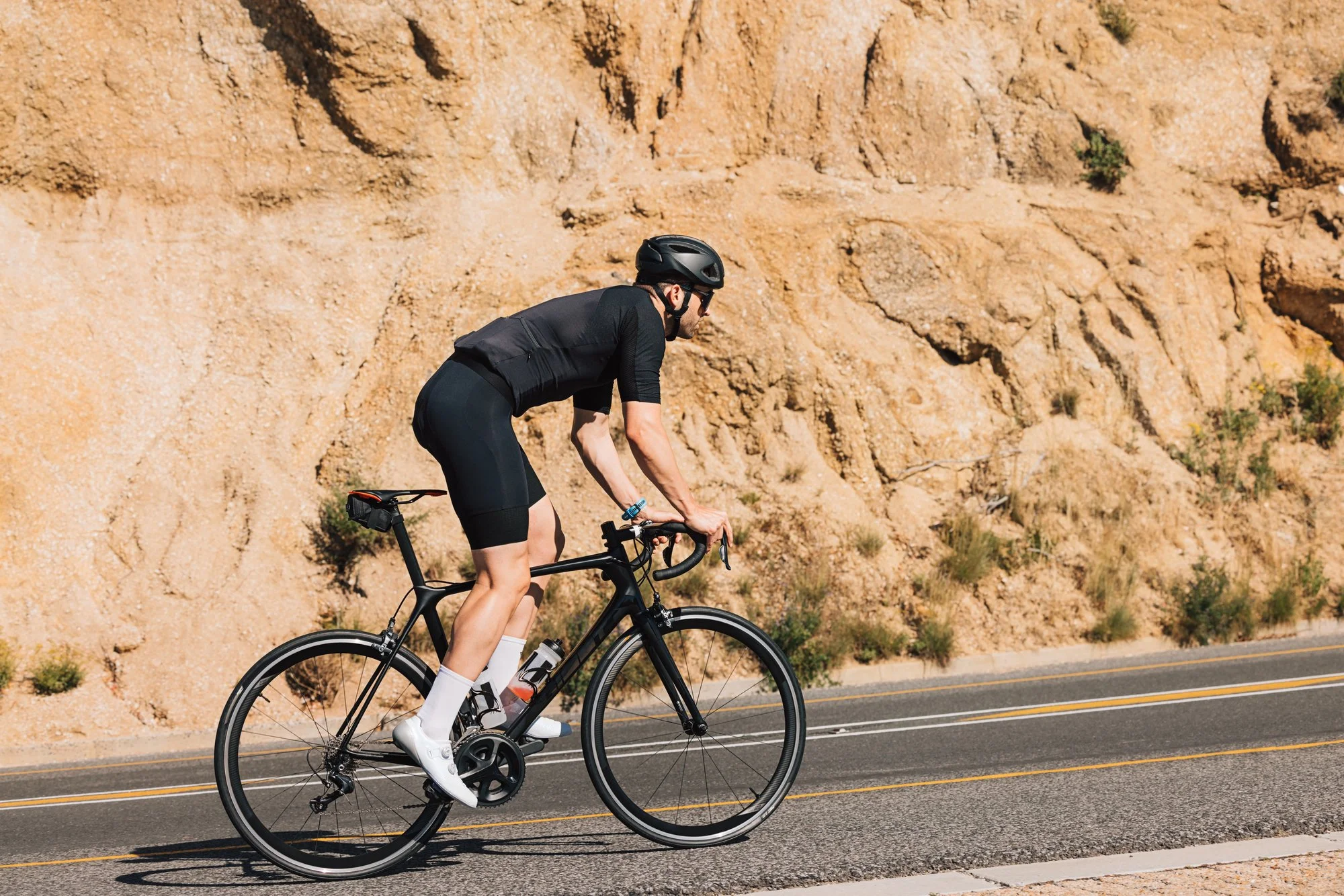
A 5-Minute Pre-Climb Warm-Up Can Change How A “Hard” Climb Feels.
Road tips up, group lifts pace, and 60 seconds later you're gasping and slipping off the back? It's often not fitness — it's that your body wasn't primed for the sudden shift. Discover the 5-minute pre-climb routine that speeds up VO2 kinetics, warms the muscles, and saves the matches you'd otherwise burn. Especially important after 40, when ramp-up time slows and recovery costs more.
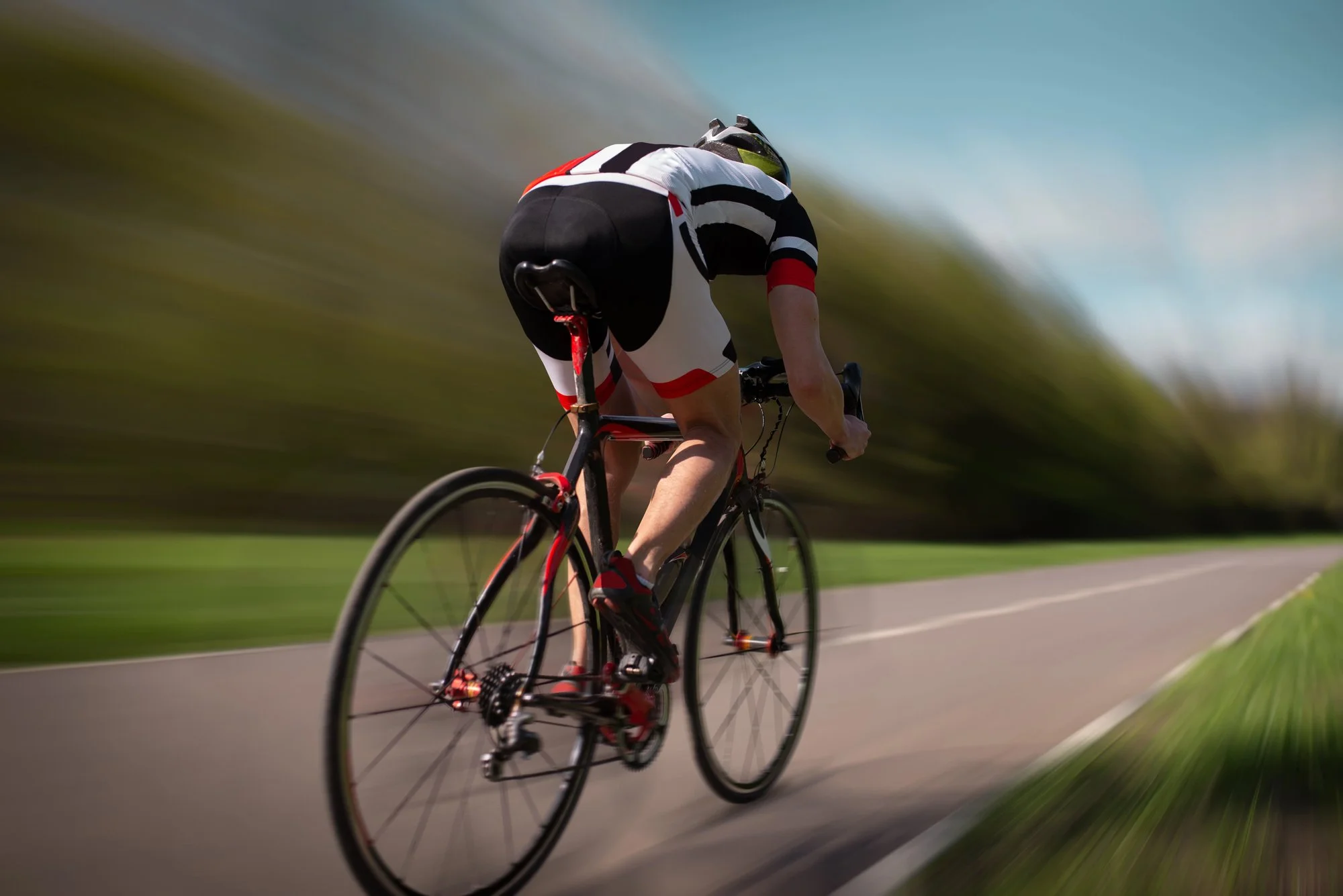
Do You Know If You Are Training and Riding To An Accurate FTP?
Is your FTP number truly accurate? Many cyclists over 40 base months of training on one single test from one single day. But without questioning how sleep, stress, fatigue and time of day affected the result. Research shows FTP can vary by 45-50W from true threshold. Learn what FTP really measures, where it falls short and how to build smarter, more accurate training reflecting your real fitness.
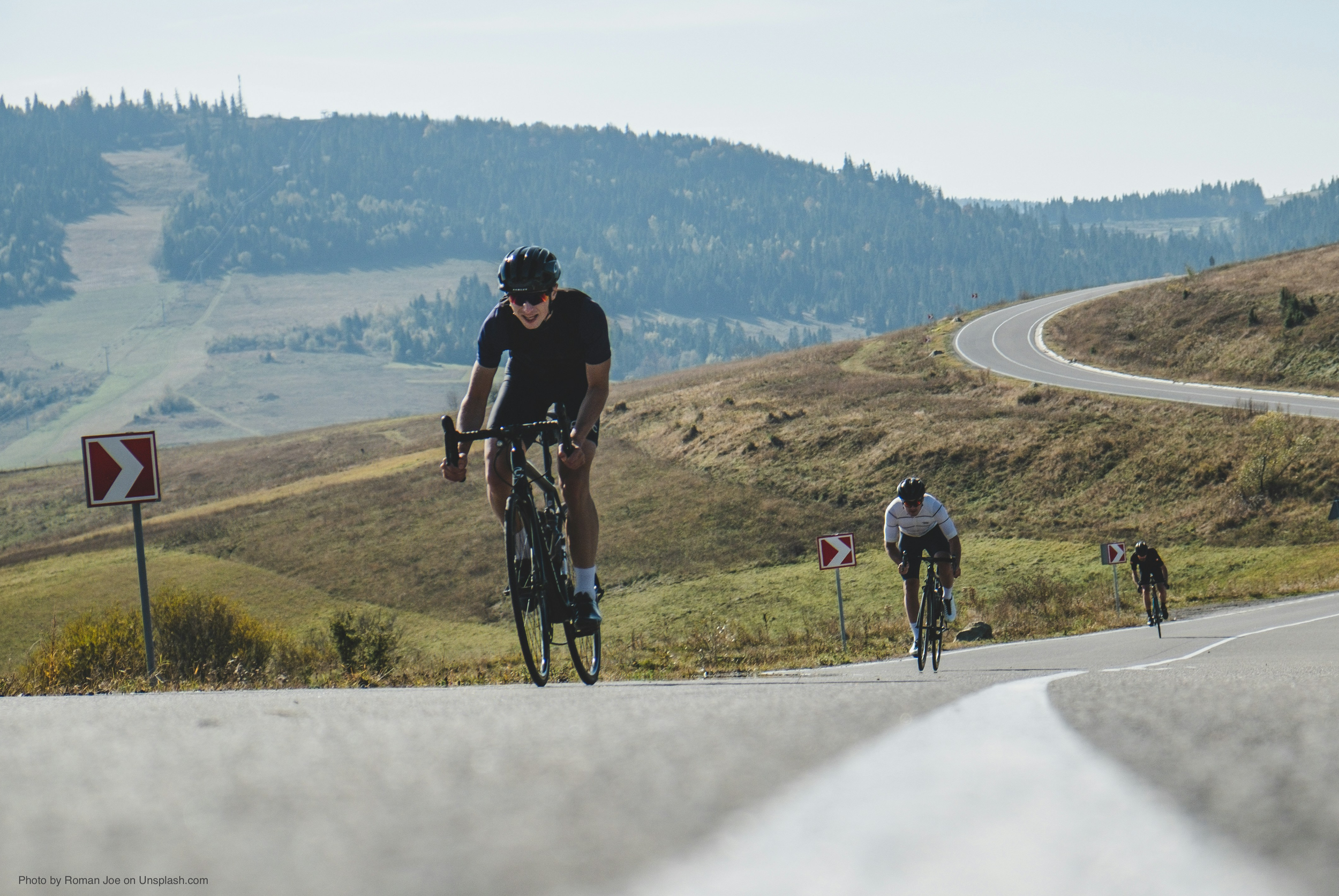
How To Fine Tune Your Training When A Target Event Is On The Calendar
Training numbers look great but wheels come off three hours into your event? Fresh fitness isn't event fitness. Discover durability — the ability to hold power as fatigue accumulates — and why it declines faster than peak power after 40. Cyclists who finish stronger than they started don't have the highest FTP. They train the specific gap between rested numbers and event demands.
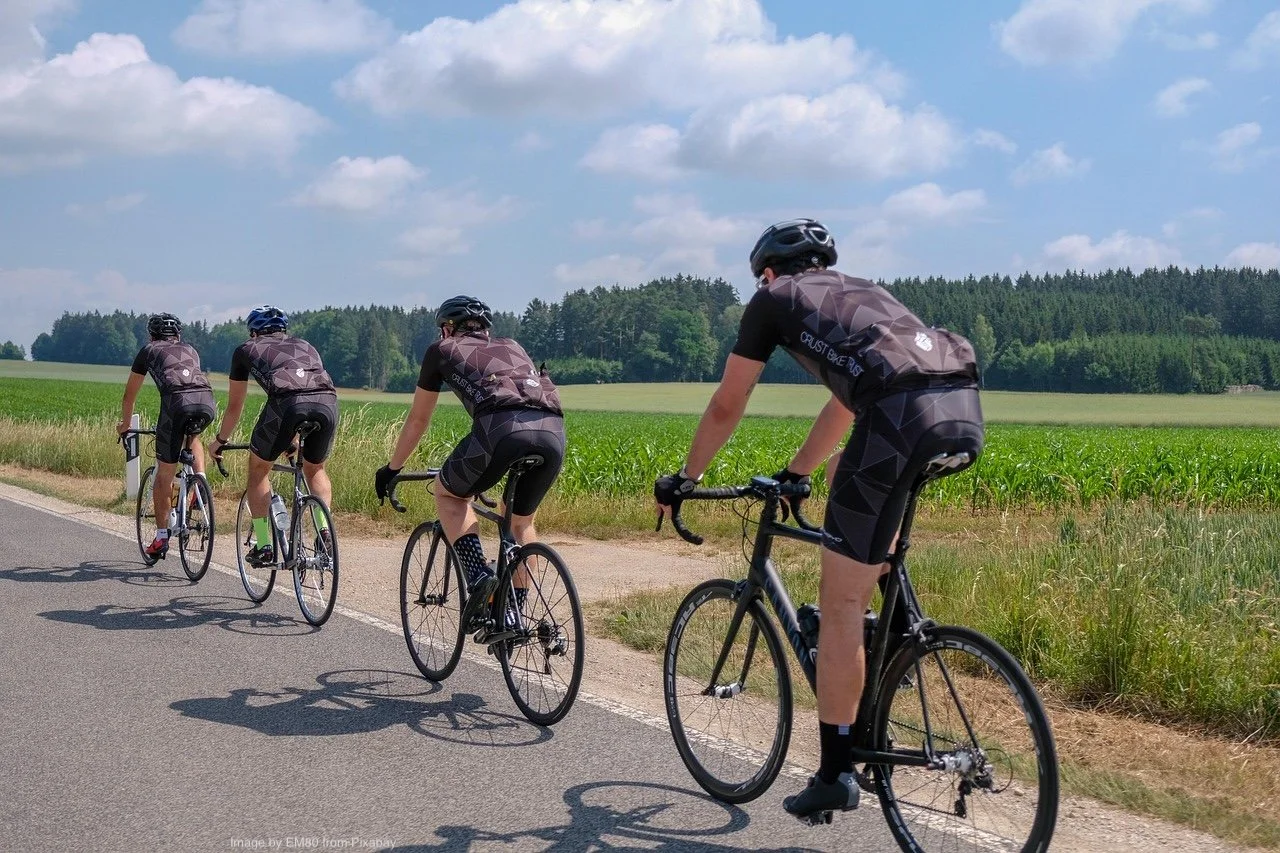
How To Structure Your Training Week So Every Ride Has A Purpose
Riding four to five times weekly but not improving anymore? Research shows 70% of athletes plateau because their training lacks structure — not effort. Discover the four session types every purposeful week needs (genuinely easy, hard, long, recovery), why most masters cyclists miss two of them, and how to audit your own week honestly. Awareness is 70% of the solution.
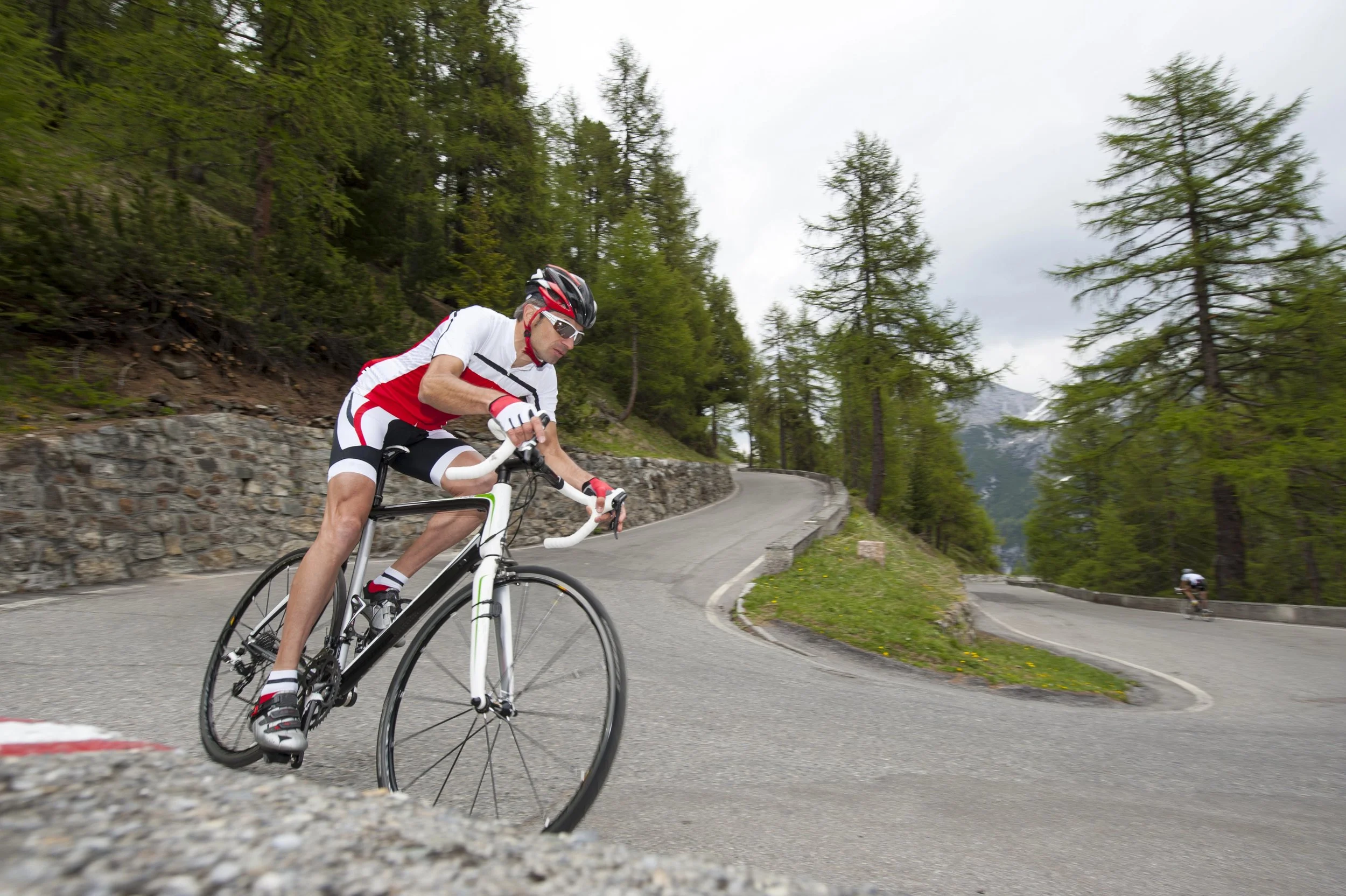
How Better Descending Improves Your Performance Across The Whole Ride
Feathering brakes down every descent and losing the group at the bottom? Descending is free speed — capped by skill, not fitness. Learn the four trainable skills (vision, body position, braking, line choice) that keep you with the group over rolling terrain, conserve energy, and leave more in reserve for the finish. Confidence follows competence — and both improve at any age.
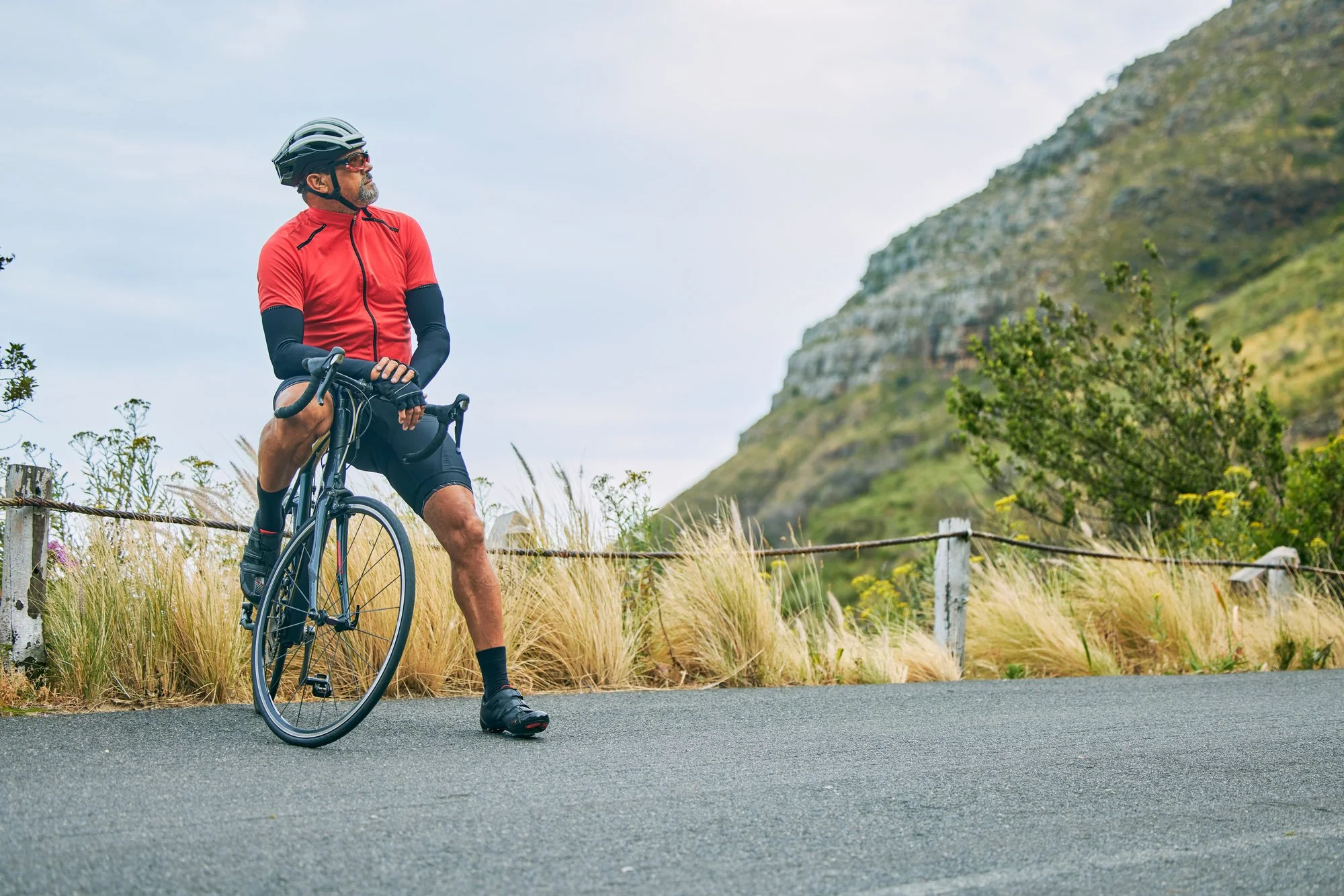
Reading Your Body's Signals After 40: When To Push And When To Recover
The hardest training decision isn't which session to do — it's whether to do one at all. Research shows athletes who feel "ready" are actually under-recovered 40% of the time. Learn the objective markers (resting heart rate, HRV) and subjective signals (sleep, mood, soreness) that together reveal true readiness. Masters cyclists who improve consistently read the signals, not just the feel.
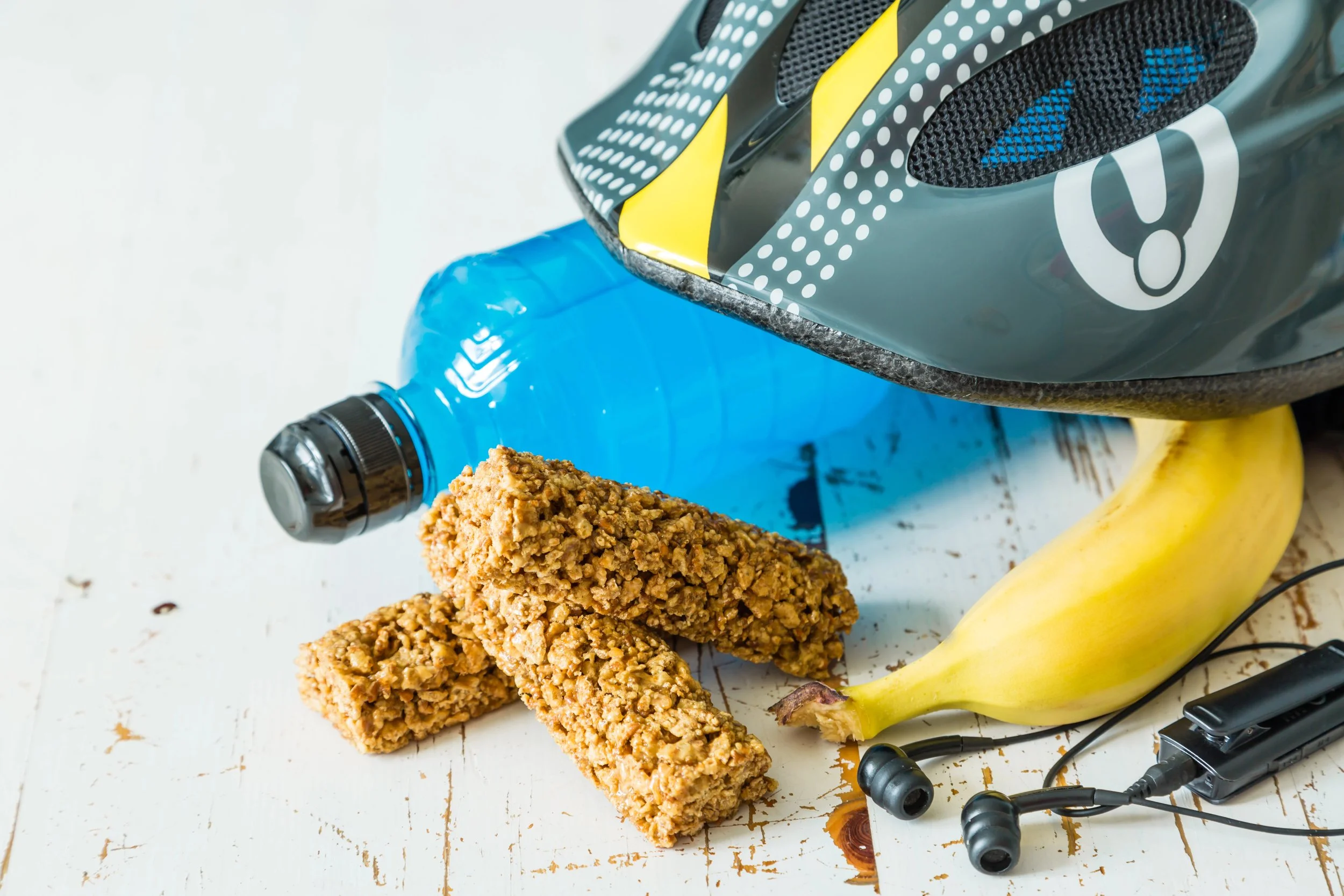
Fuelling The Long Ride: The Physiology Behind Fading And How To Prevent It
Ride starts strong then unravels at 70km? That fade isn't fitness — it's fuelling. Discover why glycogen depletion and dropping blood glucose quietly force the brain to reduce your effort, and learn the four principles that keep you strong to the finish: fuel early, fuel steadily, drink to schedule, and start with a full tank. Willpower doesn't refill glycogen. A plan does.
How To Be A Stronger Cyclist In Your 50s & 60s Than You Were In Your 40s
Told your best cycling years are behind you? The research says otherwise. Cyclists in their 50s are outperforming riders a decade younger — and it isn't genetics. Discover what they train, what they protect, and why the assumption of decline limits performance more than physiology ever does. Your ceiling is far higher than you think, and the approach to reach it is learnable.
The Recovery Problem That Prevents Cyclists From Building Fitness Week After Week
Three days to recover from one Saturday ride? Fitness can't compound when recovery takes longer than the gap between efforts. Discover why slow recovery is a symptom, not an inconvenience, how testosterone and cortisol shifts after 40 slow tissue repair, and what masters cyclists who recover overnight—not over 72 hours—do differently to build fitness week after week.
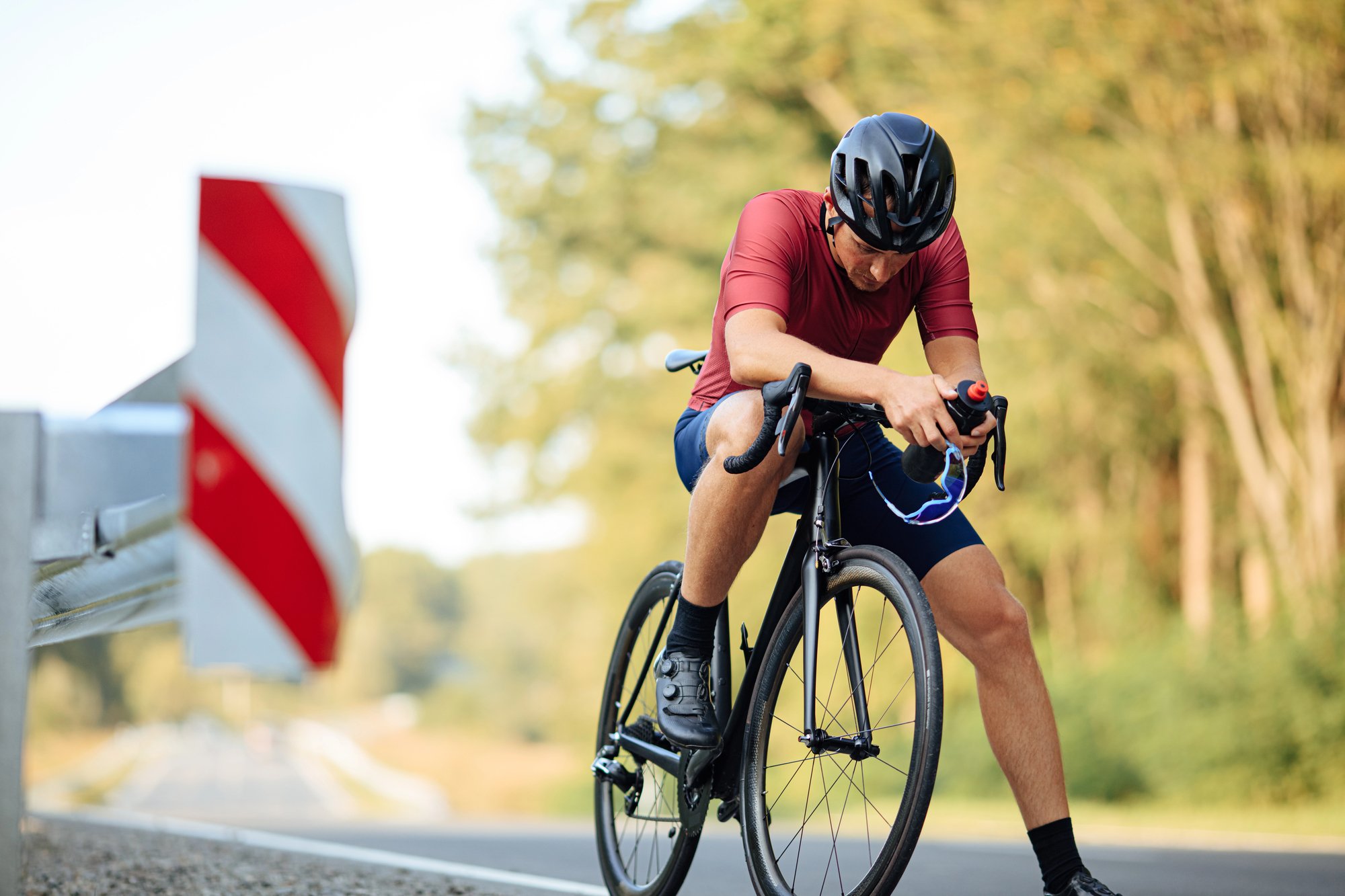
The Hidden Reason Some Masters Cyclists Feel Tired No Matter What They Do
Training reasonably, resting, eating well—yet persistently, inexplicably tired? It's not overtraining. Your body has one recovery pool, and work stress, poor sleep, and life demands drain it alongside your riding. Discover why total load matters more than training load, why cortisol shifts hit harder after 40, and how masters cyclists break the fatigue cycle by reading the full picture.
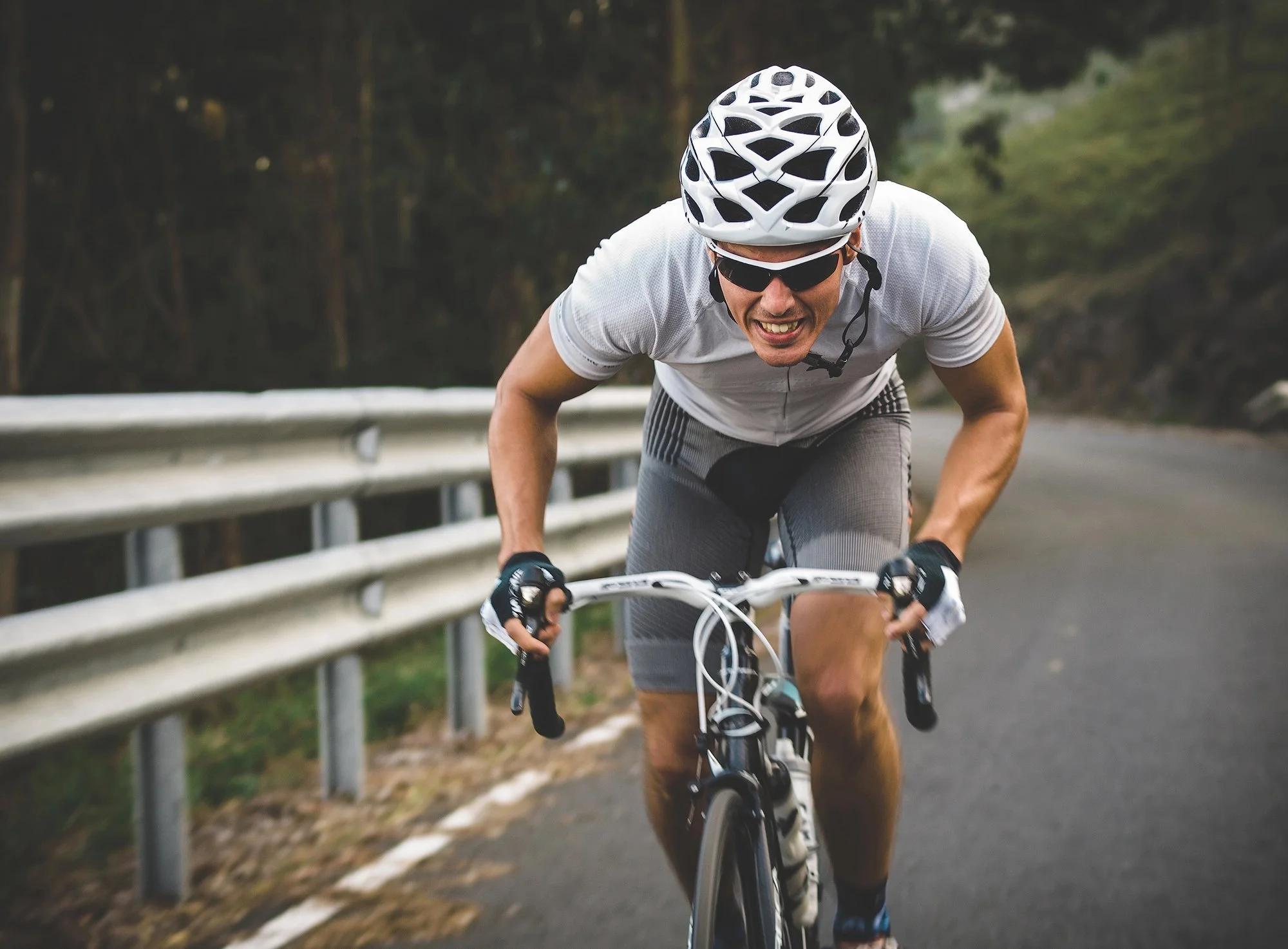
Ongoing Niggles That Can Keep Masters Cyclists Stuck — What Is Actually Behind It?
That knee, hip, or lower back niggle that never quite goes away? Rested, stretched, iced, ignored—then flares the moment effort increases. Discover why the manage-and-return cycle keeps failing, why healing gets harder after 40, and why rest alone rarely fixes it. Masters cyclists who resolve niggles rather than manage them address the real load-capacity mismatch behind the ache.
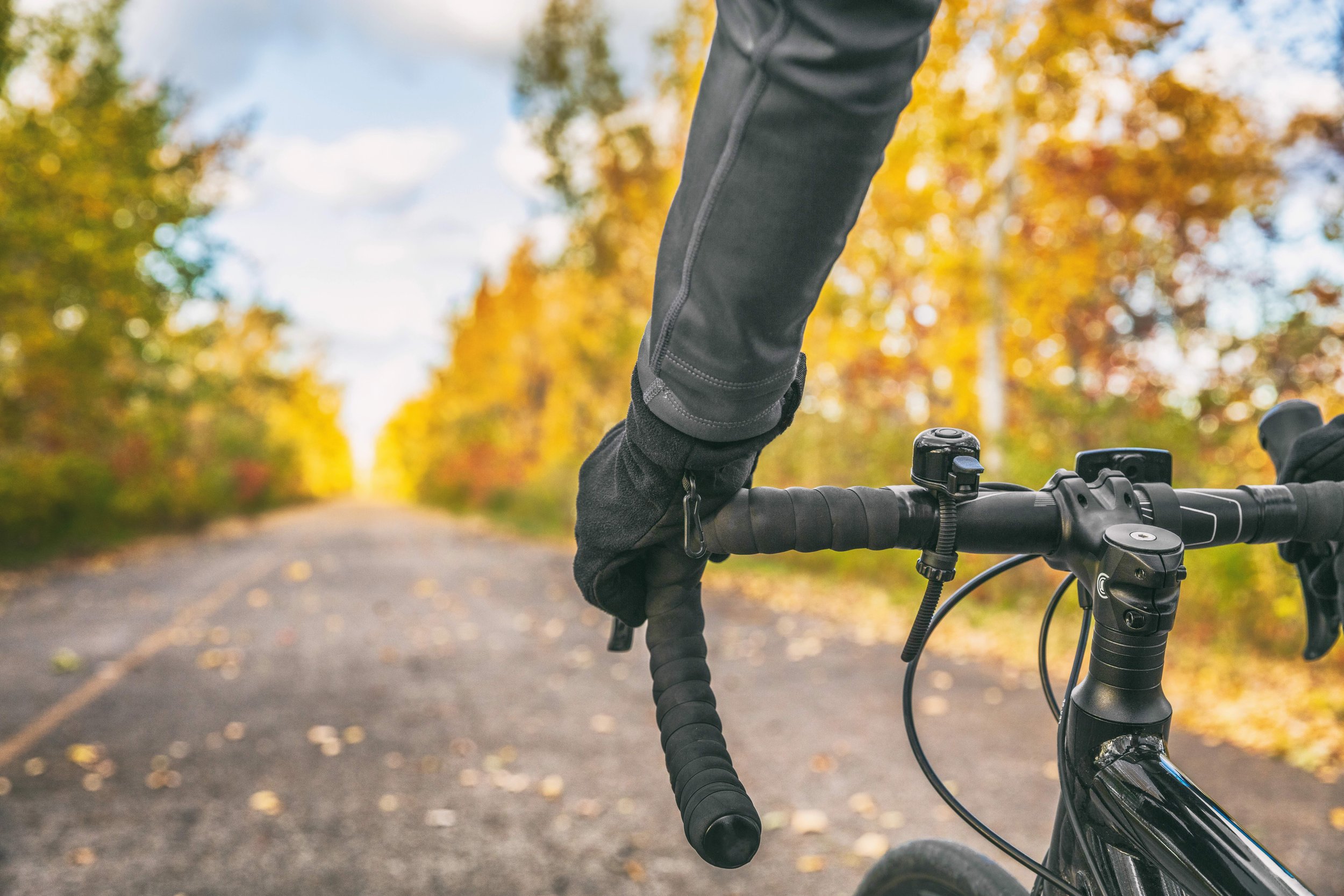
Riding Through Winter Without Losing The Fitness You Worked All Year To Build
Spent months building fitness only to lose it by spring? Discover why dropping intensity with volume accelerates decline—and why 20% fitness loss in 12 weeks is common for masters cyclists who train long and easy all winter. Learn the intensity-preserving approach that maintains adaptations, protects fast-twitch fibres, and lets you ride into spring sharper than you left autumn.
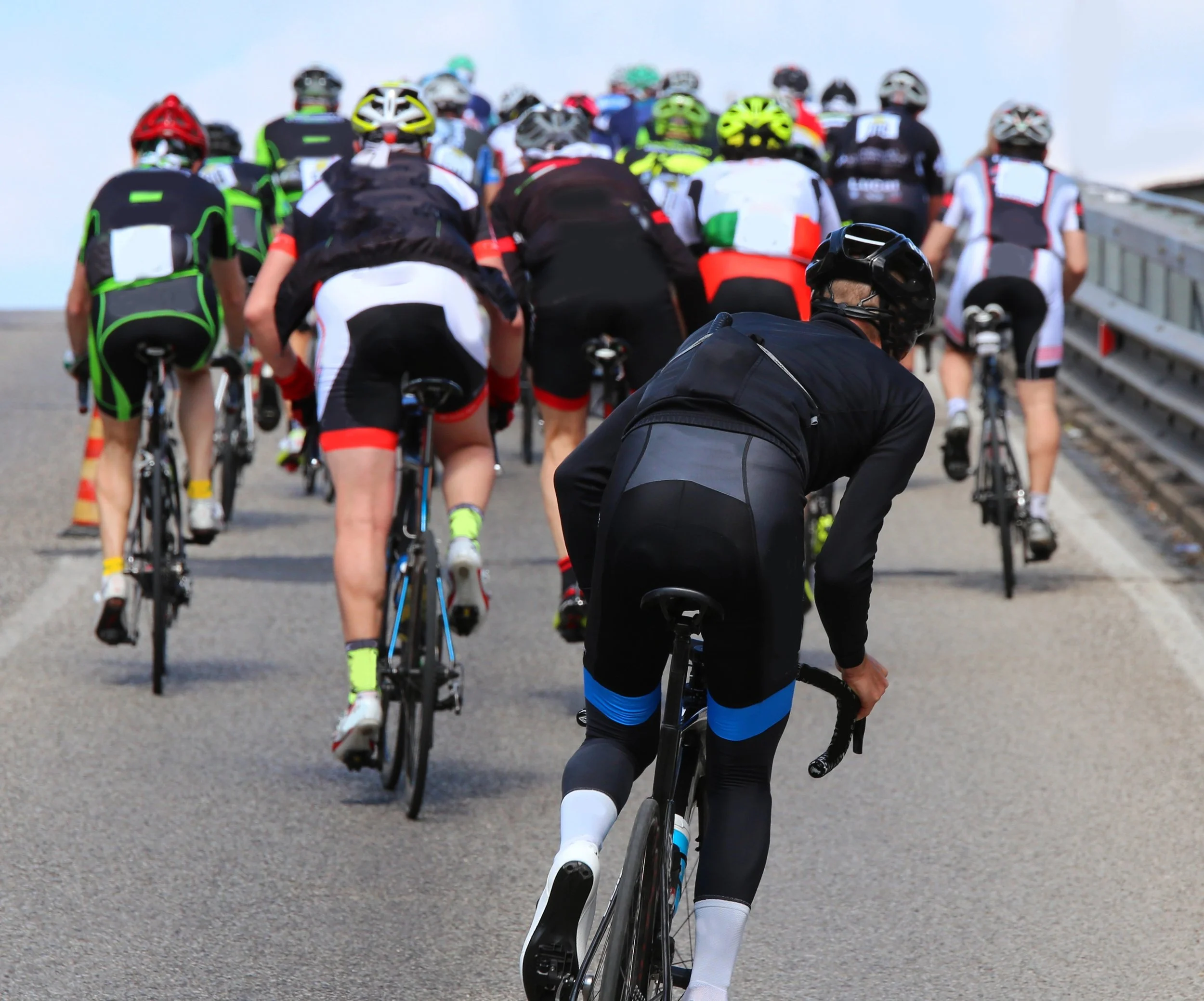
Gran Fondos After 40: How To Train, Pace, And Finish Strong
Gran fondo circled on your calendar but unsure you can finish strong? The biggest mistake isn't fitness—it's going 20% too hard in the first hour and paying for it at 90km. Discover the pacing strategy, fuelling protocol, and event-specific preparation that converts fitness into a strong finish. Masters cyclists who treat this as a skill problem, not just fitness, cross the line triumphant.
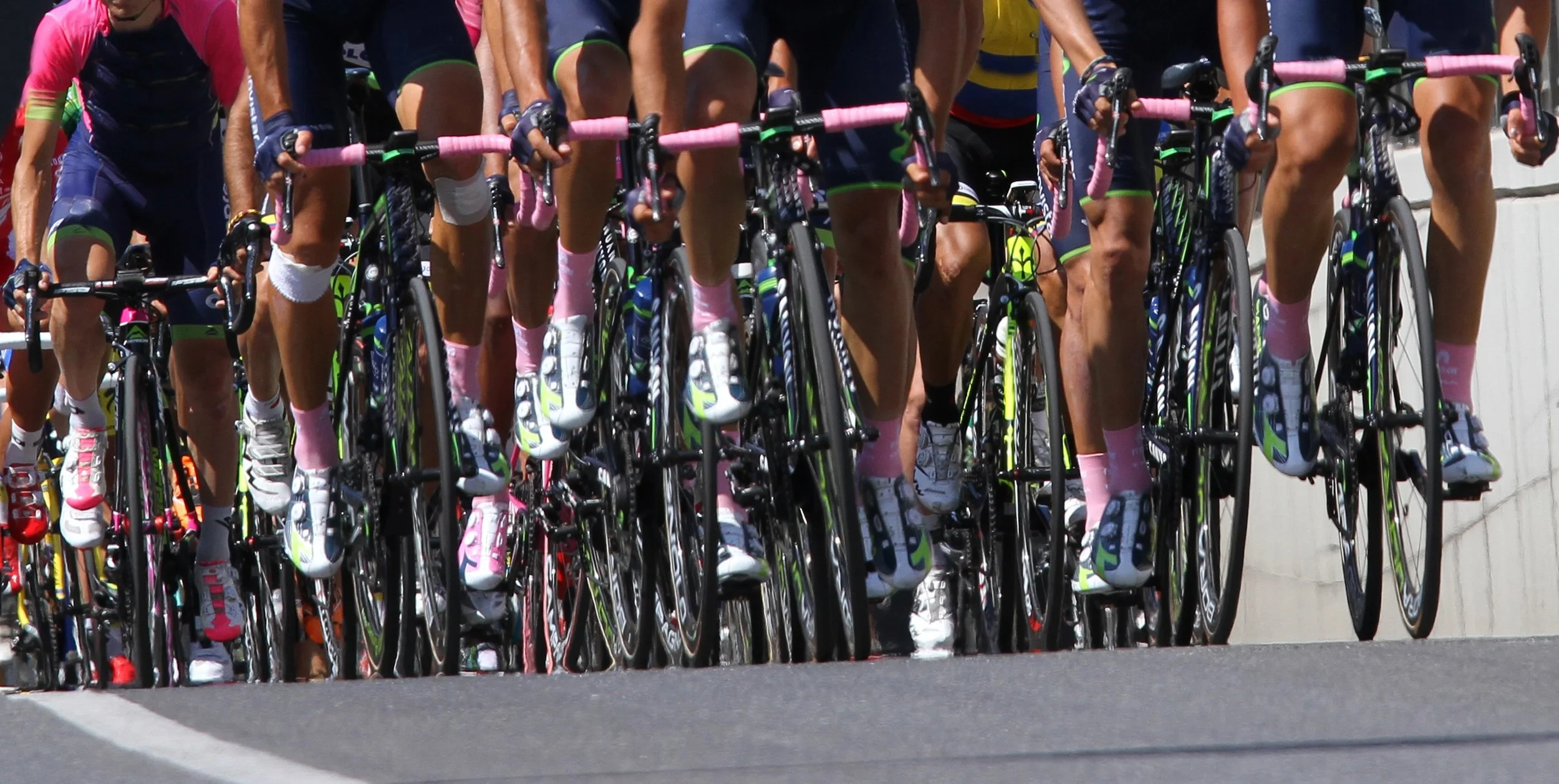
Reading Group Rides: Never Get Caught Off Guard Again
Getting dropped not from lack of fitness but because you didn't see the surge coming? Learn to read the signals most riders miss: changes at the front, pre-climb positioning, accordion effect at the back. Masters cyclists staying competitive in their 50s aren't the strongest—they're the most positionally intelligent, working less to stay where they need to be. Anticipation beats reaction.