The Taper Strategy: How To Arrive At Your Goal Event Fresh, Fast, And Ready (Not Tired And Flat)
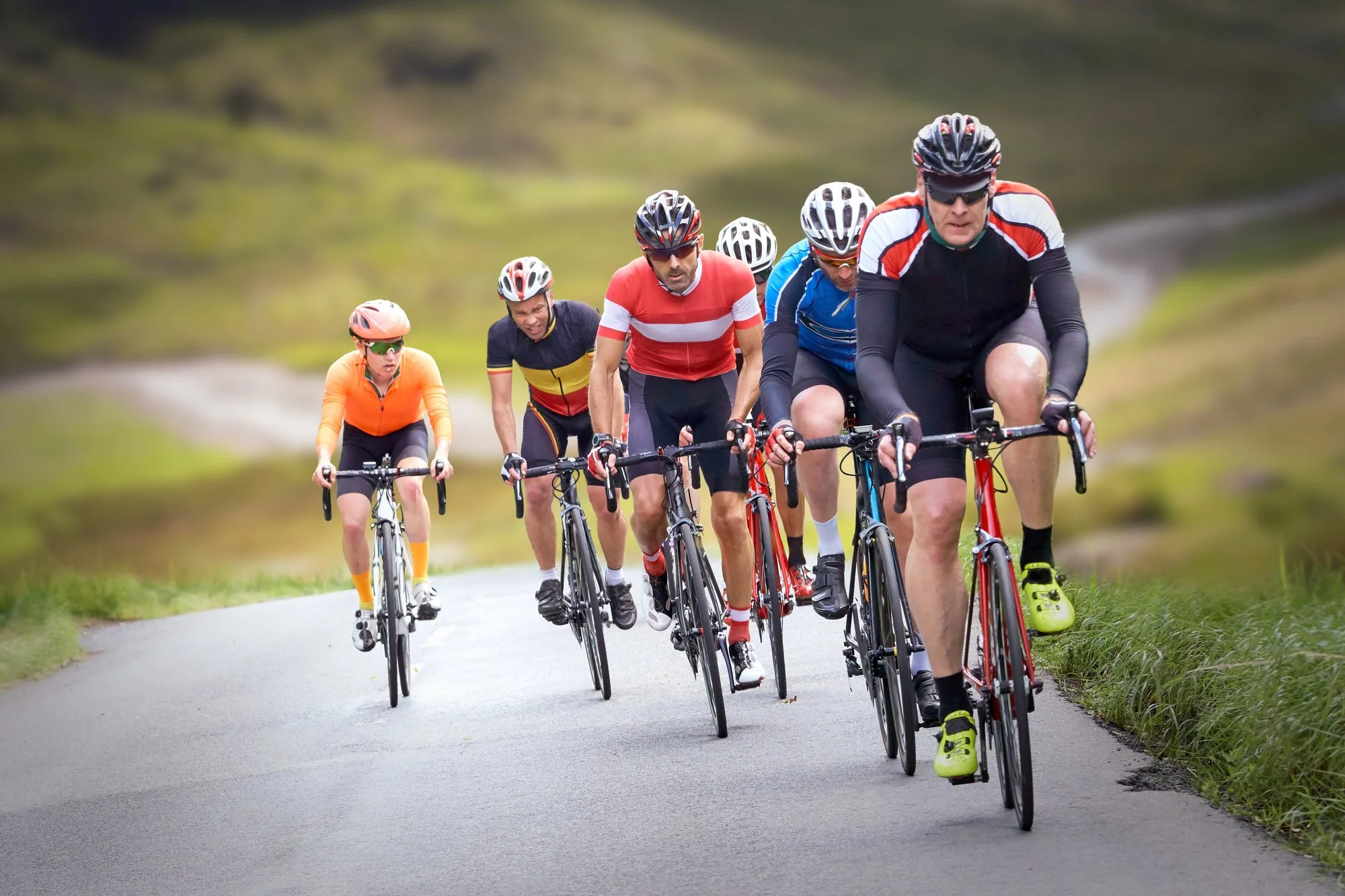
You've trained six months for this gran fondo—your bucket list ride. Two weeks out, panic sets in. Should you keep training hard to squeeze out every last bit of fitness? Or rest completely so you're fresh? You make your choice, arrive at the event, and feel flat, heavy, and slow. By kilometer fifty, you know something went terribly wrong.
Perfect training with poor tapering wastes months of work. The final 10-14 days before your goal event can make or break everything you've built. Get them right, and you arrive ready to prove what you're capable of.
The Taper Paradox
Training creates two things simultaneously: fitness and fatigue. Fitness represents your body's positive adaptations—stronger muscles, enhanced aerobic capacity, improved neuromuscular coordination. Fatigue represents accumulated stress that temporarily masks your true capabilities.
Here's the critical insight: fitness dissipates slowly over weeks, but fatigue dissipates quickly over days. Proper tapering removes the fatigue layer, revealing the fitness underneath. Research demonstrates that reducing training volume by 40-60% while maintaining intensity briefly produces peak performance at targeted events (1).
The challenge is balancing these competing demands. Rest too much, and you lose the neuromuscular sharpness that makes you feel snappy and responsive. Rest too little, and accumulated fatigue prevents you from accessing your full capacity. Getting this balance right requires understanding what your body needs in those final critical days.
The Timeline Principles
Roughly two weeks before your event marks the transition from building fitness to revealing fitness. Your final hard training should be completed 10-14 days out—after this point, volume drops significantly while intensity is maintained briefly then tapered.
The reduction happens in stages, not all at once. Initial days see moderate volume reduction with short, sharp intensity sessions maintaining neuromuscular connection. As event day approaches, volume decreases further while intensity sessions become shorter and less frequent. The final days include only brief efforts designed to keep your legs remembering what hard feels like without accumulating any fatigue.
Most cyclists either taper too aggressively—resting completely and losing sharpness—or not aggressively enough, continuing hard training that accumulates fatigue right up to event day. Both mistakes sabotage months of preparation in the final week.
Volume Versus Intensity
The key to effective tapering is understanding which variable to reduce and which to maintain. Training volume—total hours or kilometers—should decrease dramatically during your taper. This reduction allows accumulated fatigue to dissipate while preventing new fatigue from accumulating.
Intensity—the effort level of your hard sessions—should be maintained initially, though duration of those intense efforts decreases substantially. Brief, sharp efforts keep your neuromuscular system primed without creating fatigue that requires days to clear. Eventually, even intensity frequency decreases as event day approaches.
This creates a specific pattern: early taper sees same intensity but shorter duration and much less overall volume. Late taper sees occasional very brief intensity with mostly easy spinning. Final days include only short efforts or complete rest depending on your individual response patterns.
The Age Factor
Masters athletes require adjusted taper strategies compared to younger riders. After forty, fatigue dissipates more slowly due to hormonal changes, reduced recovery capacity, and slower inflammation resolution. This means you need longer tapers—typically 14 days minimum versus 7-10 days for younger athletes.
Volume reduction also needs to be more aggressive—perhaps 50-60% reduction versus 40% for younger riders. Your intensity sessions during taper should be shorter in duration and more conservative in effort. What works for a 25-year-old professional will overtrain a 45-year-old masters cyclist every time.
Sleep becomes even more critical during taper for older athletes. Aim for 8+ hours nightly throughout your taper period. Research shows sleep deprivation during taper negates performance benefits regardless of training execution (2). Prioritize sleep over absolutely everything else, including taper workouts if conflicts exist.
The Nutrition Component
As training volume decreases, your nutrition must shift strategically. Initial taper days should see caloric intake reduced slightly to match decreased activity—otherwise you risk gaining weight that hinders performance. However, this isn't about aggressive calorie restriction.
Several days before your event, carbohydrate intake increases deliberately. Your muscles can store more glycogen when fully rested than when fatigued from training. This supercompensation effect means proper carb loading combined with taper can increase glycogen stores 20-30% above normal levels.
The timing, amount, and type of carbohydrates matter enormously, as does managing fiber intake to prevent gastrointestinal issues. Many cyclists carb load incorrectly—eating too much overall, wrong types of carbs, or starting too early or too late. Getting this right requires specific protocols most cyclists never learn.
Common Taper Mistakes
The most common error is training through the taper due to fear of losing fitness. That "I feel good, let me squeeze in one more hard ride" impulse destroys more event performances than any other single mistake. Fitness doesn't improve in your final week—it only gets masked by accumulated fatigue.
The opposite mistake—complete rest for 10-14 days—loses neuromuscular sharpness. Your legs feel dead and flat, unable to access top-end power when you need it. Some training stimulus during taper is essential, just not the volume or frequency you're used to.
Ignoring nutrition shifts represents another critical error. Reducing training without adjusting eating leads to unwanted weight gain. Failing to carb load properly leaves glycogen stores depleted. Both undermine performance despite perfect training.
The Mental Preparation
Physical taper is only half the equation. Your psychological state matters equally for peak performance. The taper period should include deliberate mental preparation—visualization of successful event execution, review of pacing strategy, and confirmation of all logistical details.
Anxiety often increases during taper as training volume drops. This is normal and doesn't indicate problems. Your body is adjusting from training stress to recovery mode, which can create strange sensations. Legs might feel heavy or sluggish mid-taper—this typically resolves 2-3 days before the event as adaptation completes.
Stick with these suggestions and don’t succumb to training hard right up until the start line!
FAQ
How do I know if I'm tapering correctly?
You should feel slightly restless and eager by 3-4 days out—like you want to ride hard but are holding back. Legs might feel strange mid-taper (normal). By event day, you should feel fresh, energized, and sharp—not tired but not flat either.
What if I feel worse during the taper?
Common and normal. Reduced training creates temporary sensations as your body shifts from training mode to recovery mode. This typically resolves before event day. Trust the process unless you're genuinely sick.
Should I taper differently for shorter versus longer events?
Yes. Longer events (100+ km, 4+ hours) require full 14-day tapers. Shorter events (50-80km, 2-3 hours) need only 7-10 days. Match taper length to event demands and accumulated training load.
What if my event is on back-to-back weekends?
After your first event, take 2-3 complete rest days, then execute a mini-taper of 4-5 days with reduced volume and one short intensity session. You won't be 100% fresh but can reach 85-90% with smart management.
REFERENCES
1. Mujika, I. & Padilla, S. (2003). Scientific bases for precompetition tapering strategies. Medicine and Science in Sports and Exercise, 35(7), 1182-1187.
2. Mah, C.D., Mah, K.E., Kezirian, E.J., & Dement, W.C. (2011). The effects of sleep extension on the athletic performance of collegiate basketball players. Sleep, 34(7), 943-950.
3. Bosquet, L., Montpetit, J., Arvisais, D., & Mujika, I. (2007). Effects of tapering on performance: a meta-analysis. Medicine and Science in Sports and Exercise, 39(8), 1358-1365.