Mastering Descents: The Skill That Separates Confident Cyclists From Anxious Ones
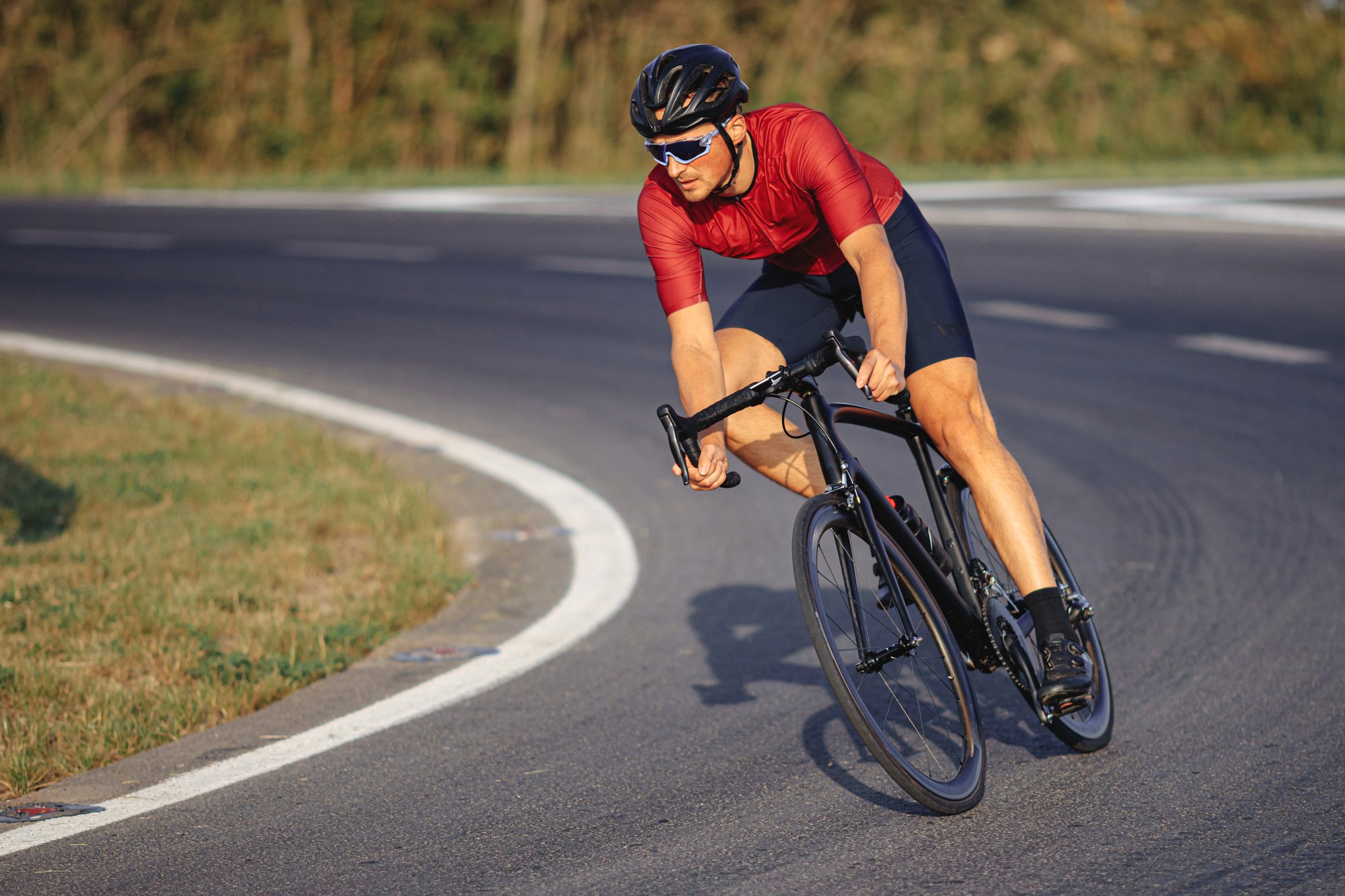
You've just conquered a brutal climb, legs burning, lungs gasping, but triumphant. Now comes the descent—and instead of enjoying the reward for your climbing effort, you're gripping the handlebars with white knuckles, feathering the brakes constantly, watching other riders disappear down the mountain while you crawl around every corner wondering when you'll lose control.
Here's the frustrating reality: you can lose more time on a ten-minute descent than you gain on a twenty-minute climb. Worse, the anxiety and tension from nervous descending leaves you more fatigued than the climb itself. Meanwhile, confident descenders are recovering on the way down, arriving at the bottom refreshed and ready for the next effort while you arrive rattled and depleted.
The difference isn't bravery or recklessness. It's technique, body positioning, and progressive skill development that builds genuine confidence rather than white-knuckle survival.
Learn to descend properly, and you transform the scariest part of cycling into one of the most rewarding.
The Body Position Foundation
Most descent anxiety comes from feeling unstable and out of control. This feeling is usually accurate—poor body position creates instability that your nervous system correctly identifies as dangerous. Fix your position, and suddenly the bike feels planted and predictable.
Your foundation starts with weight distribution. On descents, shift your body weight back and lower your center of gravity by dropping your chest toward the handlebars and pushing your hips back toward the saddle. This keeps weight over the rear wheel for traction while allowing front wheel control. Many riders make the mistake of sitting upright, which shifts too much weight forward and makes the bike feel twitchy.
Research on cycling biomechanics confirms that optimal weight distribution during descending improves bike stability and reduces braking distances by maintaining traction on both wheels (1). From a physiological perspective, this position also reduces load on your wrists and shoulders, preventing the arm pump and hand fatigue that comes from supporting body weight through locked arms.
The Braking Technique That Changes Everything
If you're constantly feathering your brakes through entire descents, you're working harder and descending slower than necessary. Effective braking is about strategic application—hard braking before corners where it's safe and efficient, not constant light braking that generates heat, wears pads, and maintains tension throughout the descent.
The key principle: do your braking in straight lines before corners, not through the corners themselves. Approach the corner at whatever speed you're currently comfortable with, brake firmly before the turn to reduce to that speed, then release the brakes and coast through the corner maintaining your line. This pattern—brake, release, turn—feels counterintuitive initially but dramatically improves control and speed.
Use both brakes, but weight them differently. Your front brake provides 70% of your stopping power, but must be applied smoothly to avoid wheel lockup. Your rear brake is more forgiving but less powerful. The combination—firm front brake with supporting rear brake—gives you maximum control. Practice this on gentle descents before applying it to steeper terrain.
The Cornering Line Strategy
Fast, confident cornering isn't about leaning dramatically or hoping for the best. It's about choosing the correct line through the corner that maximises radius and minimises required lean angle. A larger radius turn at higher speed is safer and faster than a tight-radius turn at lower speed.
The ideal line approaches from the outside of the lane, apexes at the inside of the turn, and exits toward the outside. This racing line maximises your turning radius, allowing you to carry more speed with less lean. You're not cutting corners sharply—you're arcing smoothly through the largest radius possible within your lane.
Your visual focus matters enormously. Look where you want to go, not at obstacles or the edge of the road. Your bike follows your eyes naturally through a neurological connection between vision and balance. Look at the apex of the turn, then to the exit, and your body will steer appropriately.
Look at the guardrail you're afraid of hitting, and you'll drift toward it.
The Lean Mechanics: Bike vs. Body
Here's where most riders create unnecessary fear: they lean their body instead of the bike. This feels natural but creates instability and requires more aggressive lean angles. The correct technique is counterintuitive—lean the bike more than your body.
Weight the outside pedal (the one pointing down through the turn) and the inside bar and press firmly into them. This drops your centre of gravity and weights the tires for traction. Simultaneously, lean the bike into the turn while keeping your body more upright. Your inside knee may point outward slightly for balance. This technique keeps your mass over the contact patches while allowing aggressive bike lean for tighter turns.
From a biomechanical perspective, this position protects your knee joints from lateral stress and maintains muscular engagement through your legs, giving you active control rather than passive balance. You're steering the bike through the turn, not hoping it stays upright.
Building Confidence Progressively
Confident descending isn't built by attacking steep, technical descents before you're ready. It's built through progressive exposure that expands your comfort zone gradually without overwhelming your nervous system.
Start with gentle descents where consequences are minimal. Practice body position, braking technique, and cornering lines at comfortable speeds. Once these feel automatic, gradually increase speed on familiar descents where you know the corners. Your confidence builds as your skills improve, creating a positive feedback loop.
Mental rehearsal matters too. Before each descent, visualise yourself executing proper technique—smooth braking, correct body position, looking through corners. This mental preparation primes your nervous system for success rather than anxiety. Many riders descend poorly because they've mentally rehearsed crashing instead of succeeding.
The Equipment Reality Check
Sometimes descent anxiety is legitimate—your equipment isn't up to the task. Worn brake pads, inadequate tire pressure, or poor bike handling geometry all create genuine instability that technique alone cannot overcome.
Check your brake pads regularly and replace them before they're completely worn. Ensure your tires are inflated to appropriate pressure—too low creates sluggish handling, too high reduces traction. If you're riding an endurance bike with stable geometry, it will naturally feel more planted than an aggressive race bike. Understanding your equipment's characteristics helps you ride within its capabilities.
Bringing all this together with help to make you a confident descender and improve your whole cycling experience!
Enjoy The Ride!
Enjoy The Climb!
FAQ
What speed should I be comfortable descending at?
There's no universal answer—comfortable speed depends on road conditions, corner radius, sight lines, and your skill level. Start conservatively and gradually increase speed as technique improves. Speed comes from skill, not bravery.
How do I overcome fear of descending after a crash or close call?
Return to basics on gentle descents where you can rebuild confidence without risk. Progressive exposure therapy works—gradually increasing challenge as confidence rebuilds. Consider professional skills coaching if anxiety persists despite practice.
Should I use aerobars or drops on descents?
Always use drops on descents for access to brakes and better control. Aerobars remove your hands from braking position and reduce control authority—never appropriate for descending regardless of speed.
What if my hands and forearms fatigue during long descents?
This indicates you're supporting too much body weight through your arms. Shift weight further back, engage your core more, and relax your grip. Proper position eliminates arm pump by keeping weight over the pedals rather than the handlebars.
REFERENCES
1. Moore, J.K., Kooijman, J.D.G., Schwab, A.L., & Hubbard, M. (2011). Rider motion identification during normal bicycling by means of principal component analysis. Multibody System Dynamics, 25(2), 225-244.
2. Drouet, J.M., Champoux, Y., & Dorel, S. (2009). Influence of downhill cycling positions on aerodynamic drag and running economy. Journal of Biomechanics, 42(16), 2799-2802.
3. Broker, J.P. & Gregor, R.J. (1994). Mechanical energy management in cycling: source relations and energy expenditure. Medicine and Science in Sports and Exercise, 26(1), 64-74.