Gran Fondos After 40: How To Train, Pace, And Finish Strong
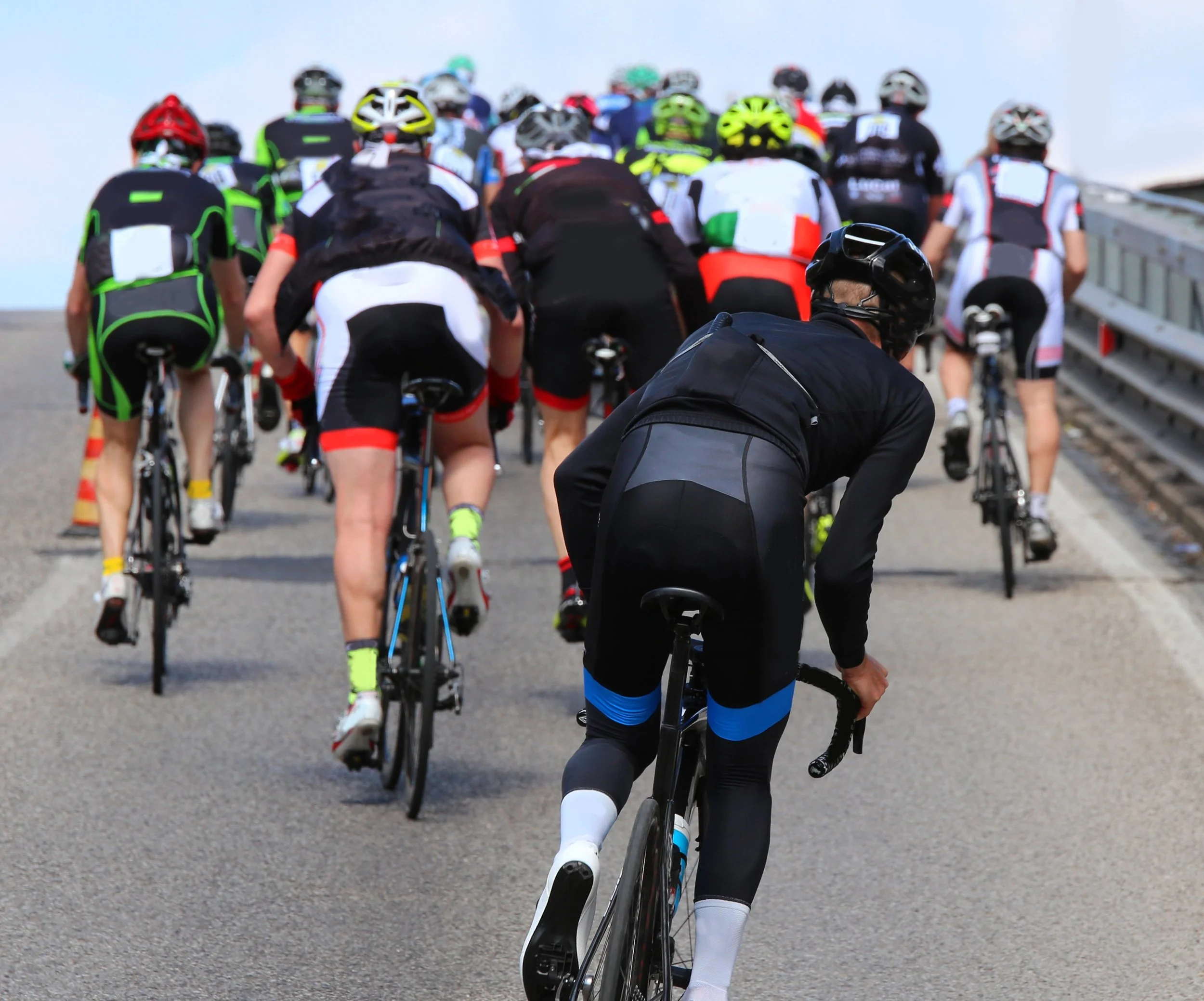
There's a specific kind of ambition that arrives in your 40s.
You've been riding for a while. The group rides are familiar. But somewhere along the way, an event gets circled on the calendar — 100km, maybe more, some serious climbing — and the question shifts from "can I ride?" to "can I actually do this well?"
The gran fondo is one of the defining challenges of masters cycling. And how you approach it — training, pacing, and preparation — determines whether you cross the finish line strong or spend the final 30km in survival mode.
Why The Gran Fondo Rewards A Different Kind Of Preparation
Most masters cyclists prepare for a gran fondo the same way they train for their regular group rides — by doing their regular group rides, slightly more often.
The problem is that a 100–130km event with significant climbing makes demands that group riding doesn't prepare you for. Sustained effort over 4–6 hours. Repeated climbing under fatigue. Pacing decisions made early that determine whether the final third of the ride is strong or catastrophic. These are specific physiological and tactical skills, and they require specific preparation.
The critical performance qualities for gran fondo success are well established: aerobic endurance base, sustainable climbing power, and the ability to maintain consistent effort across a long duration without blowing up [1]. Each of these is trainable. Each of them requires a preparation approach that most recreational cyclists aren't currently doing.
The Pacing Mistake That Ends Rides Early
The single most common reason masters cyclists suffer in the final third of a gran fondo is not insufficient fitness. It's a pacing error made in the first hour.
Mass start events produce a specific psychological trap. The atmosphere is electric, the pace lifts with the crowd, and riders who planned to go out conservatively find themselves 20% over their sustainable effort within the first 20 minutes. The problem doesn't announce itself immediately. It arrives 60–90 minutes later, when glycogen reserves are depleted ahead of schedule, climbing power drops sharply, and the remaining distance looks very long.
Research on pacing strategy in endurance events confirms that even small deviations from optimal pacing have substantial effects on performance [2]. The riders who finish a gran fondo strongly are almost always the ones who held back when the pace felt almost too easy early on — not the ones who rode to their limit from the gun.
Understanding what sustainable pacing actually feels like across different terrain, durations, and fatigue states is a learnable skill. It's also one that only develops through deliberate practice — not group rides where your effort is dictated by whoever is at the front.
What The Final 30km Teaches You
If you've ridden a gran fondo before and struggled in the final section, you already have the most important data point available.
The final 30km of a long event is a direct readout of everything that happened before it. A blow-up in the closing section almost always traces back to one of three causes: pacing error early, insufficient fuelling through the middle section, or inadequate preparation of the specific endurance demands the event requires.
Each of these is correctable. And correcting them isn't about riding more — it's about understanding which element broke down and addressing it with specific preparation.
The masters cyclists who complete their first gran fondo strong — and who come back faster the following year — are the ones who treat the event as a skill problem, not just a fitness problem. Fitness is the foundation. But pacing intelligence, fuelling strategy, and event-specific preparation are what convert fitness into a strong finish.
The Role Of Fuelling — And Why It's Underestimated
Most masters cyclists underestimate how much fuelling matters across a 4–6 hour event — and how early the deficit begins if you get it wrong.
Carbohydrate availability is one of the primary determinants of sustained cycling performance in events over 90 minutes. When carbohydrate stores drop, power output drops with them. For masters cyclists, whose glycogen storage capacity and fat oxidation rates differ from younger riders, the fuelling strategy needs to be calibrated specifically — not borrowed from a training plan written for a 30-year-old.
What the right approach looks like in terms of timing, format, and quantities across a long event is something worth practising in training before it matters in competition.
Frequently Asked Questions
How long should I prepare for my first gran fondo?
Preparation timelines vary depending on your current fitness base and the specific demands of your chosen event. In general, the more targeted and structured the preparation, the shorter the runway needed. Masters cyclists with a solid aerobic base and a smart approach can prepare effectively in a shorter timeframe than most generic plans suggest.
Do I need to do training rides as long as the event itself?
Not necessarily. The right preparation develops the physiological qualities the event demands — not just accumulated time at easy effort. Some of the most effective pre-event preparation is shorter and more specific than the event itself.
How important is nutrition strategy relative to training?
For events over 90 minutes, fuelling strategy is arguably as important as fitness. A well-trained rider with a poor fuelling strategy will underperform a slightly less fit rider who executes their nutrition plan well. It's worth treating as a trainable skill, not an afterthought.
What's the most common mistake first-time gran fondo riders make?
Going out too hard. Consistently. The atmosphere, the crowd, and the fresh legs in the first hour make conservative pacing feel wrong — even when it's exactly right. Practising sustainable pacing in training is the only reliable way to execute it on event day.
References
1. Lucia, A., Hoyos, J., & Chicharro, J. L. (2001). Physiology of professional road cycling. Sports Medicine, 31(5), 325–337. https://doi.org/10.2165/00007256-200131050-00004
2. Abbiss, C. R., & Laursen, P. B. (2008). Describing and understanding pacing strategies during athletic competition. Sports Medicine, 38(3), 239–252. https://doi.org/10.2165/00007256-200838030-00004