Water Alone Is Not Enough On A Long, Hot Ride
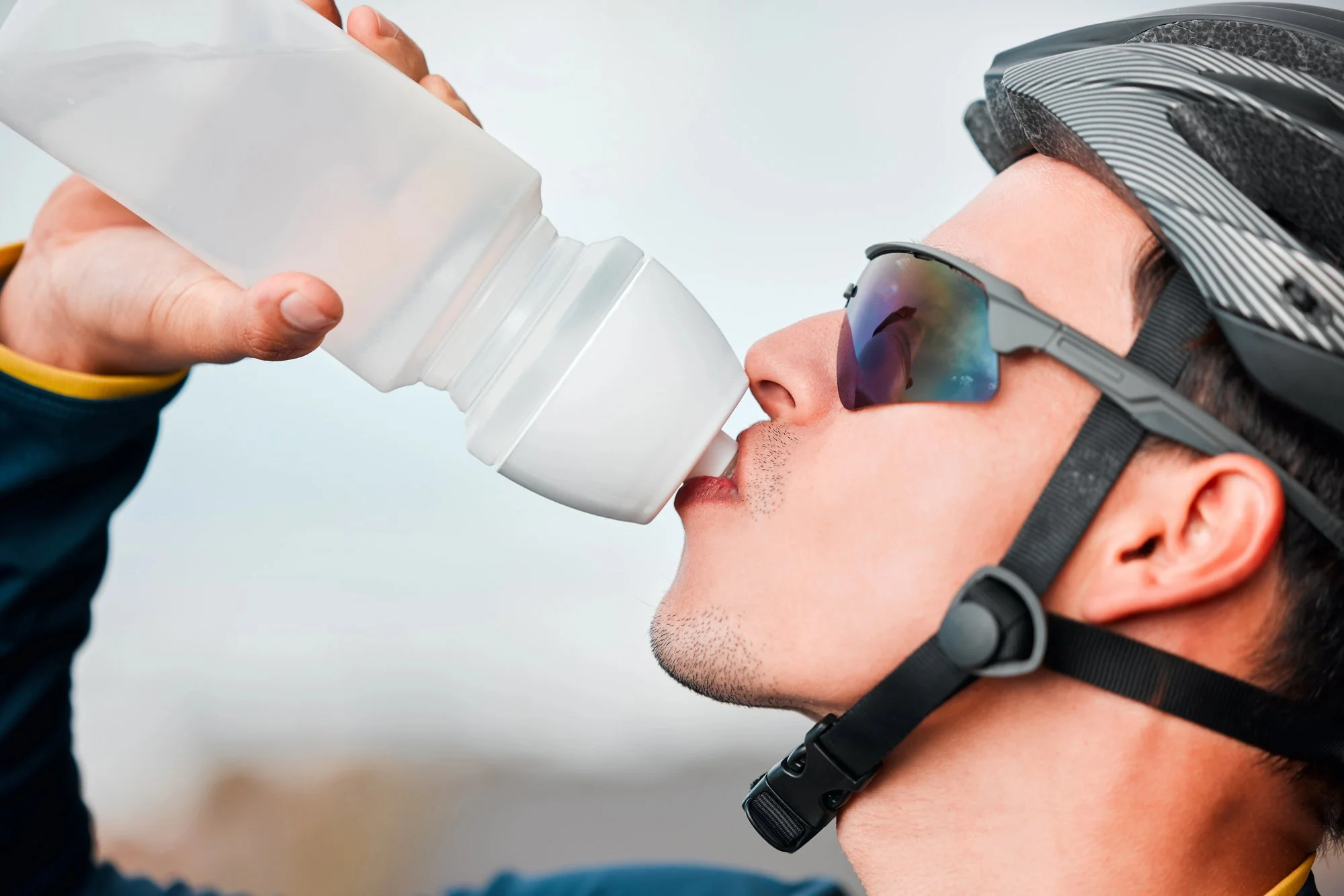
This is a ‘sort of’ Part 2 to my article from last week… continuing on about hydration for bike rides but adding in the element of heat on long rides…
Drinking water, and sometimes copious amounts, is the natural thing to do on a hot day. After a long sweaty ride, you would think that reaching for your bottle and drinking as much water as you can would be enough to rehydrate and replenish you.
But water on its own doesn't quite get the full job done on a hot day when you have sweat a lot!
Sweat isn't just water
When you sweat, you don't only lose water. You lose salts too — mainly sodium, along with potassium and a few others. These are critical minerals required to keep muscles firing, nerves "talking", and your fluid balance where it should be.
Heavy sweating drains two things at once: water and salt. If you only replace the water, you are missing a key part of your recovery.
The main mineral to also replace is sodium. By adding sodium to your recovery, you help your body hold on to all that water that you drink as replacement. Without sodium, a large percentage of the water you drink passes straight through and out [1].
Why this is important?
Picture a long summer ride. Two, three hours in the heat, sweat pouring, bottle after bottle being drunk.
If those bottles are only plain water, you can drink and drink but still finish feeling flat and low and holding a steady effort gets harder and harder. Your body keeps losing what you take in, because there's not enough salt on board to retain it.
Some good research showed this point well. Although its in firefighters and not cyclists, the point is still valid as it relates to hard work and recovery metrics... firefighters recovering from hard work in the heat rehydrated far better on a carbohydrate-electrolyte drink than on water alone — two groups drank the same amount of fluid, but with the carbohydrate-electrolyte mix, they held on to more of it, felt less thirsty, and cleared fatigue byproducts quicker. [2]
What about for masters cyclists?
Thirst alone as a guide gets weaker and less reliable as you get older. The body's signalling for "drink now" becomes slower to fire, so you can be well on the way to dehydration before you feel any real urge to drink [3].
This is important as the old saying and old habit of "feel thirsty, drink water" needs a rethink on long rides in the heat.
So what actually helps?
The important thing is to put back what you actually lost — water AND salt together, not just water alone.
Some few points on this:
On short, easy, cooler rides, water is typically fine. You won't lose that much that you can't replace with a normal post-ride diet.
Once it's hot and your rides are long (3+ hours), add sodium (salt) into your bottles, not just water **
A little carbohydrate with sodium helps your body take the fluid on board faster.
It's a good idea to be doing this during your rides, especially in the latter half of longer rides on hot days, and not only afterwards as part of your recovery. This way, you will reduce fatigue and maintain strength and power output for the finish.
Don't drink too much water (with or without salt) too quickly. Consuming large volumes of plain water within a short timeframe can and may overwhelm your kidneys, leading to hyponatremia (low blood sodium concentration). This is a medical condition to be avoided.
** Ensure any additional salt intake is within any medical / health recommendations made by your doctor, if that is relevant. Although adding salt when you are losing it on long, hot rides is typically appropriate, care should be taken if you have specific medical conditions that require sodium restrictions or monitoring. Check with your doctor first.
The upside of getting this right
If you can manage your water and sodium balance on longer rides, especially in the heat, then you can feel much stronger for much longer and gain much more from your training and riding.
This is performance improvement that comes from no extra training and no extra hours on the bike. But from an understanding of proper hydration and electrolyte balancing.
Give it a go, practice it, refine it to suit your body's needs and enjoy feeling fresher and stronger on longer rides int he heat!
Frequently Asked Questions
Isn't plain water enough for most rides?
For short, cooler rides, yes. But on long, hot, sweaty rides, water alone if not enough, because you're losing salt as well as fluid and only replacing one of them.
How do I know if I'm losing a lot of salt?
We all lose salt when exercising. More on longer rides and more in hotter conditions. Some people lose more than others. Some people are saltier sweaters too — think white marks on your kit, stinging eyes, a salty taste in your mouth. If thats you, then you are losing more than others and need to replace more. The hotter and longer you ride, the more sodium goes out that should be replaced.
Can I just add electrolytes after the ride instead of during?
You can top up afterwards, but on a long hot ride you're better staying on top of it as you go so that you don't experience fatigue and loss of strength and power in the last parts of your ride.
Is it possible to drink too much?
Yes. Gulping too much plain water with no salt can dilute your blood sodium, especially too quickly, which can leave you feeling worse, not better. Balance beats volume.
References
1. Shirreffs, S. M., Taylor, A. J., Leiper, J. B., & Maughan, R. J. (1996). Post-exercise rehydration in man: effects of volume consumed and drink sodium content. Medicine & Science in Sports & Exercise, 28, 1260–1271.
2. Hsu, Y.-J., Ho, C.-S., Chang, C.-H., Chuang, T.-W., & Shang, S.-H. (2026). Effects of carbohydrate-electrolyte solutions with and without L-menthol on hydration and performance recovery following simulated firefighting exercise. Journal of the International Society of Sports Nutrition, 23(1), 2676193. https://doi.org/10.1080/15502783.2026.2676193
3. Kenney, W. L., & Chiu, P. (2001). Influence of age on thirst and fluid intake. Medicine & Science in Sports & Exercise, 33(9), 1524–1532. https://doi.org/10.1097/00005768-200109000-00016